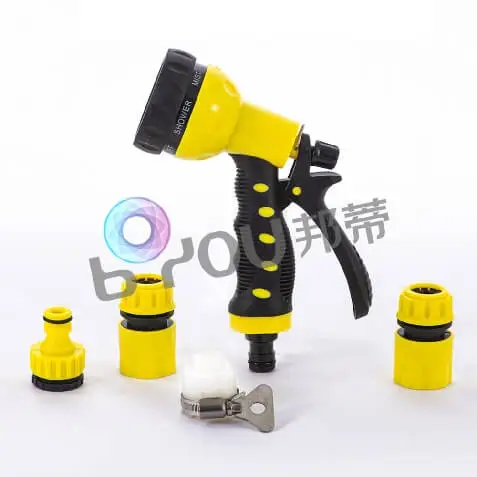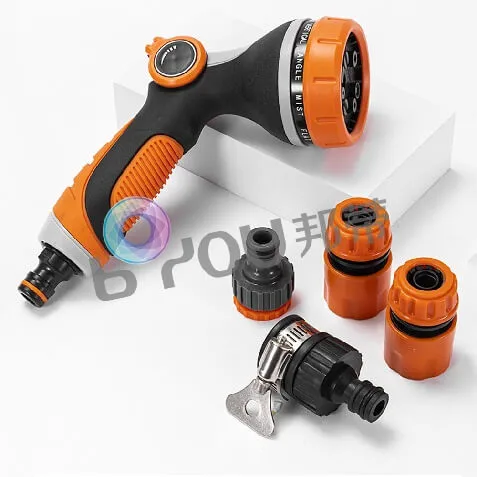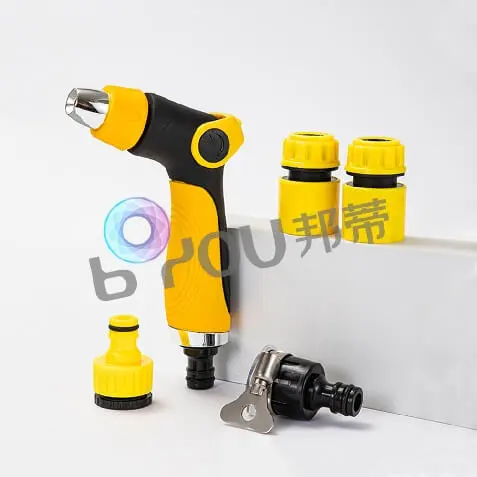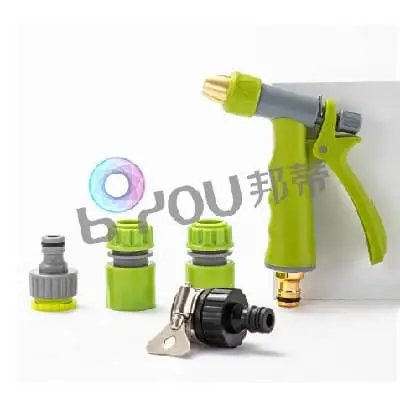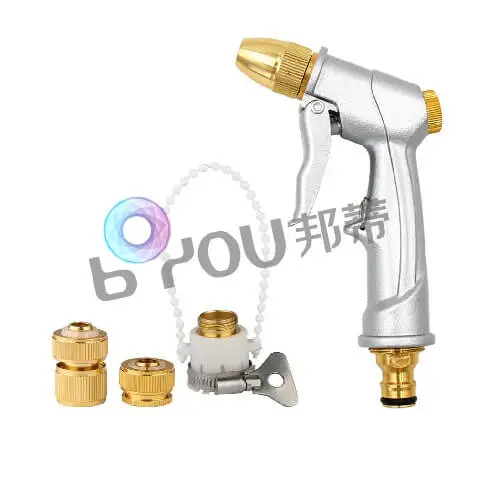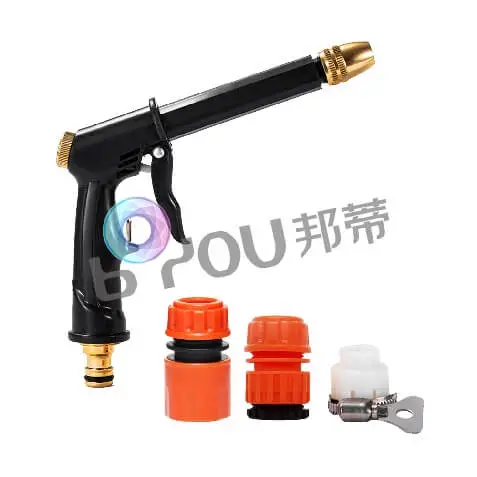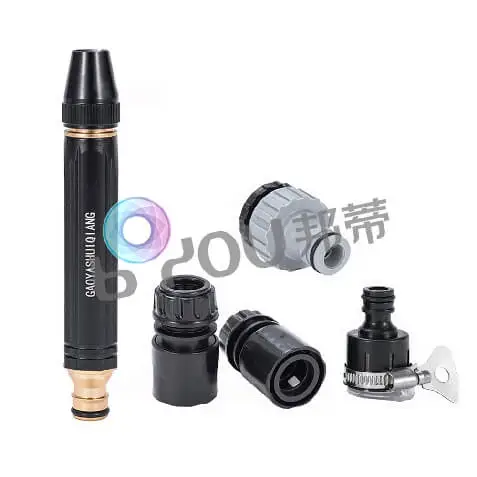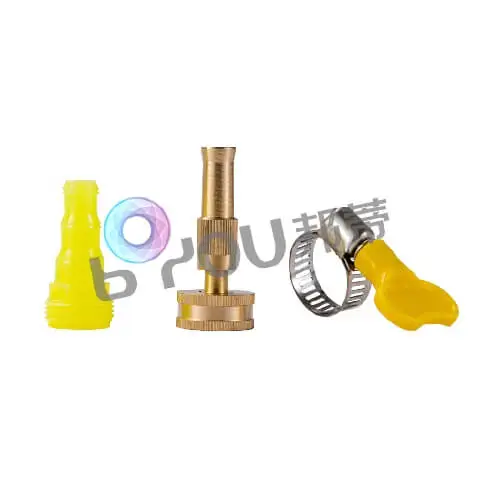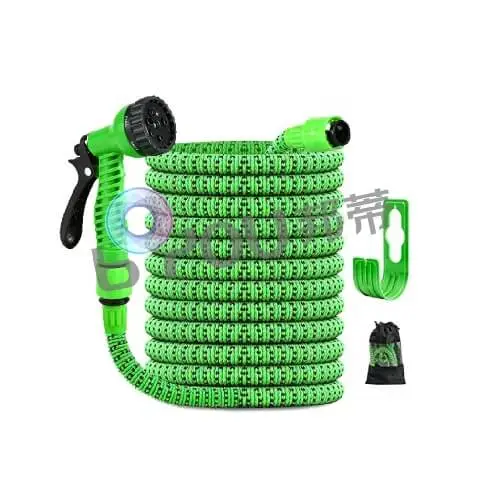
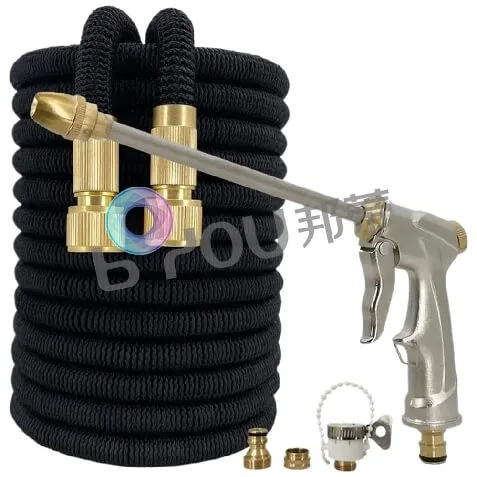
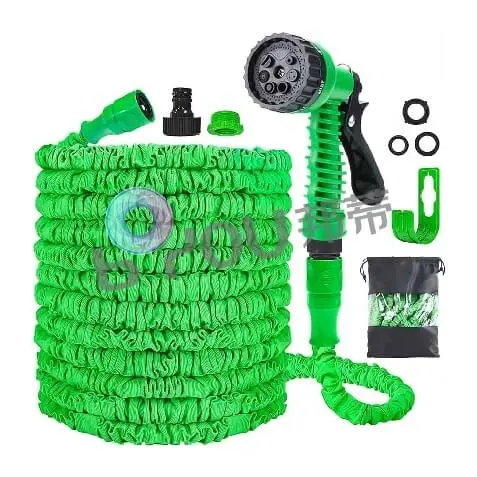
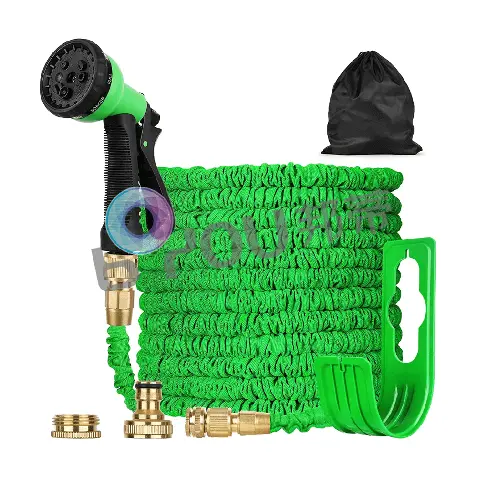
Expandable Garden Hose


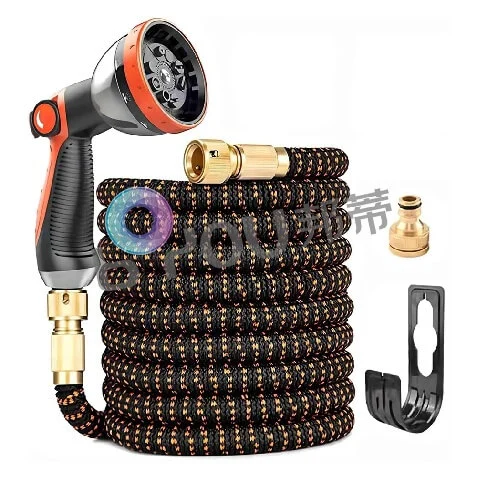
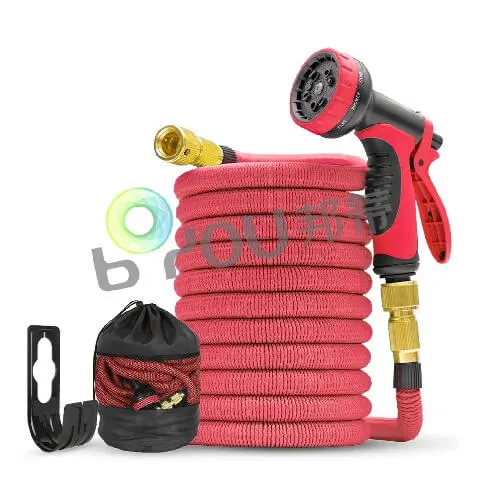
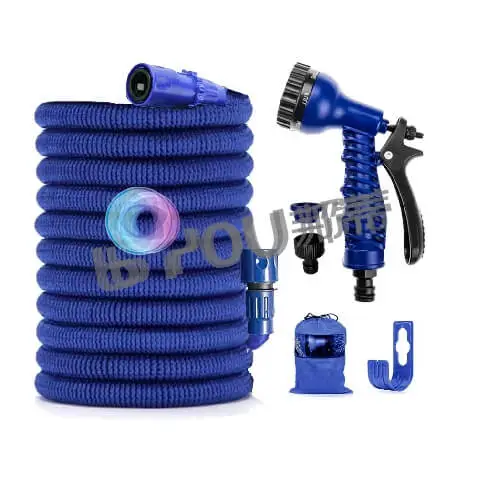
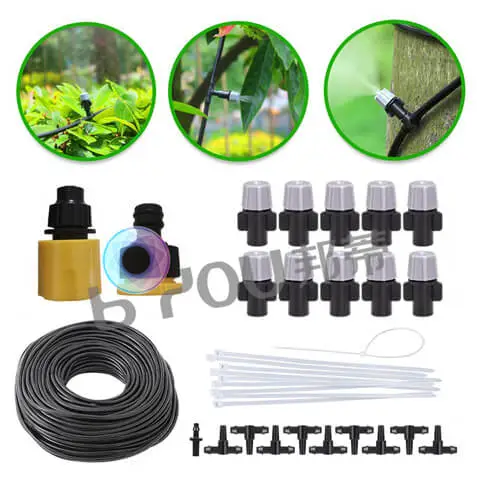
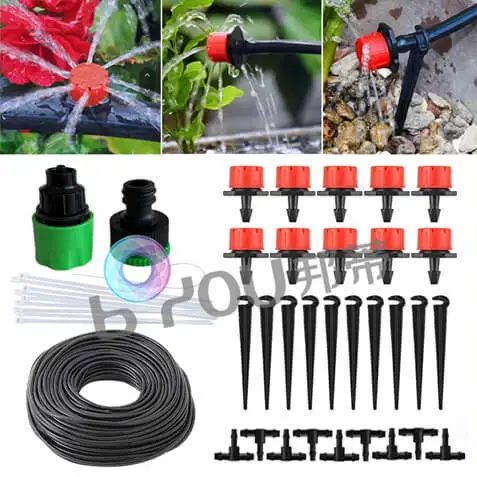
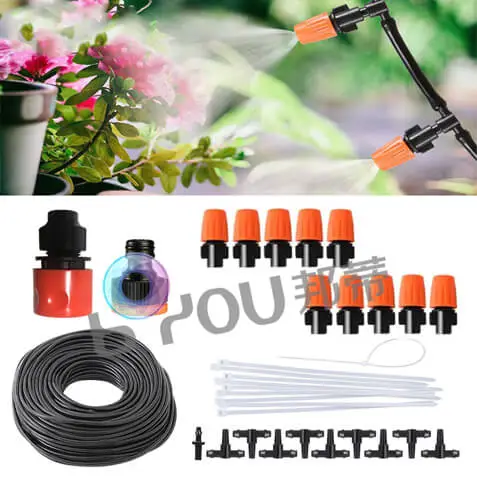
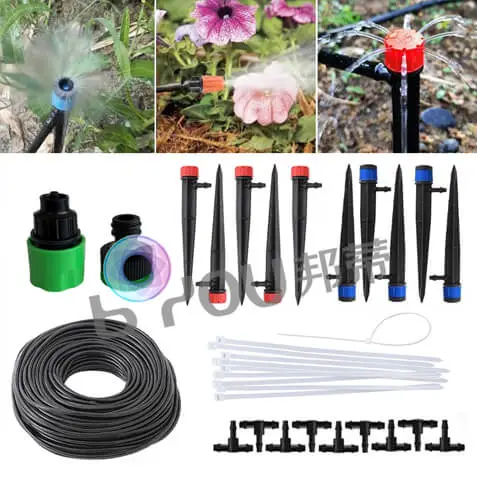
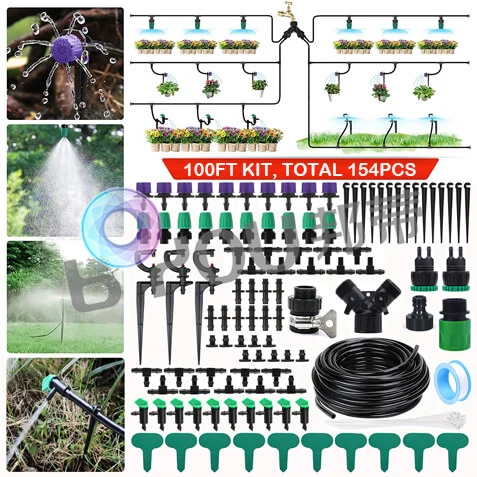
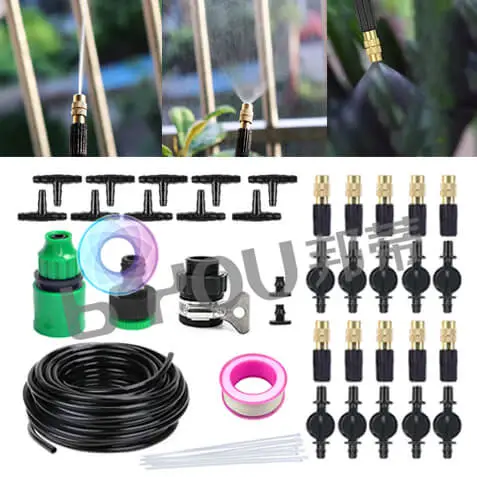
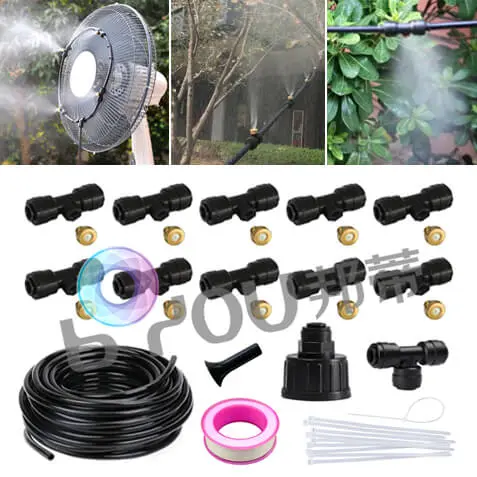
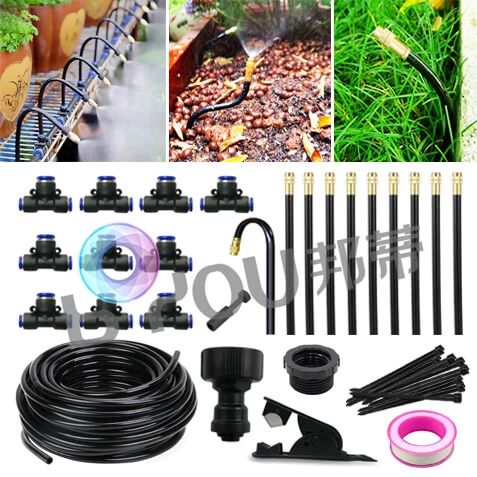
Drip Irrigation System Kit
Hard Garden Hose
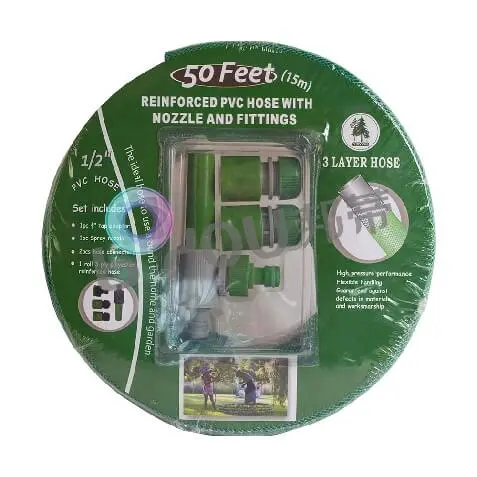
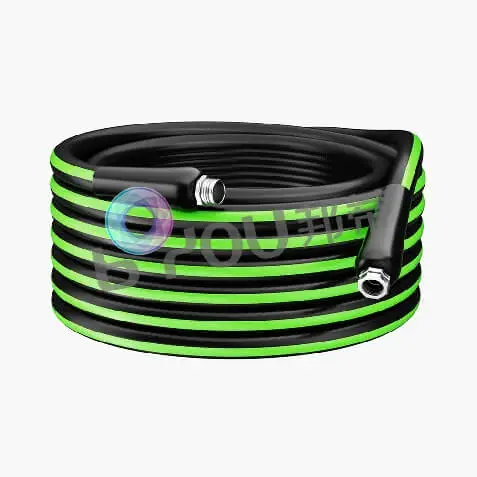
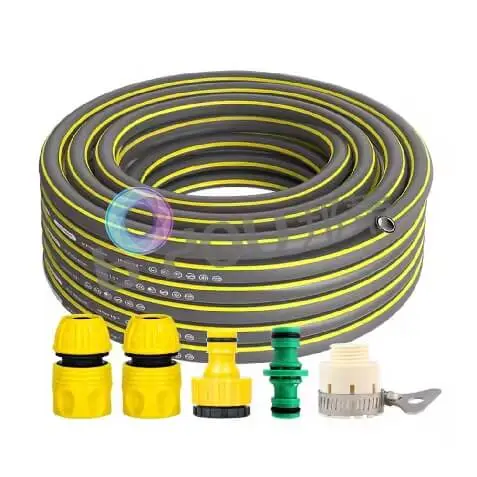
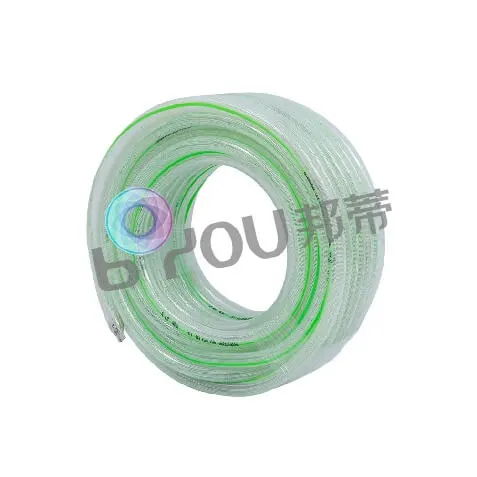
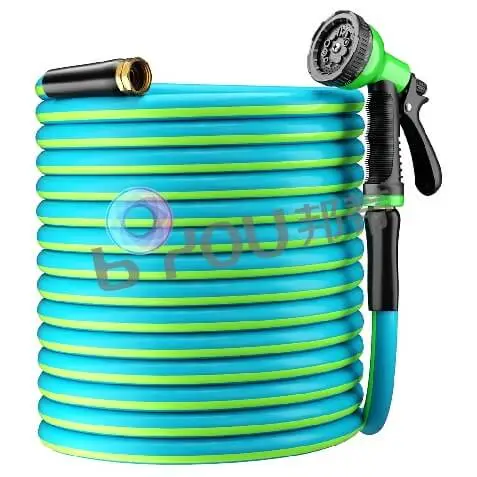
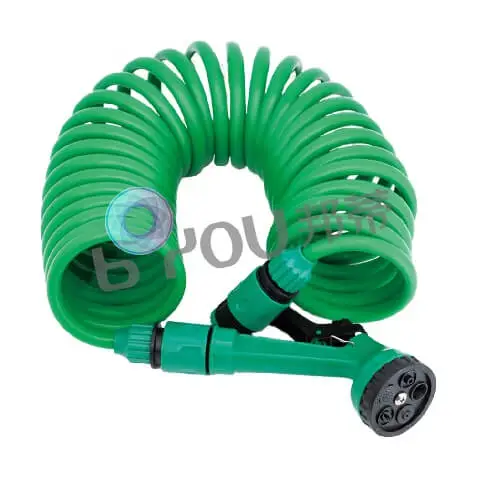
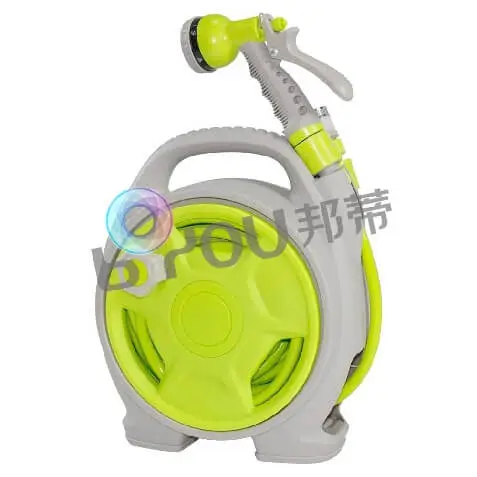
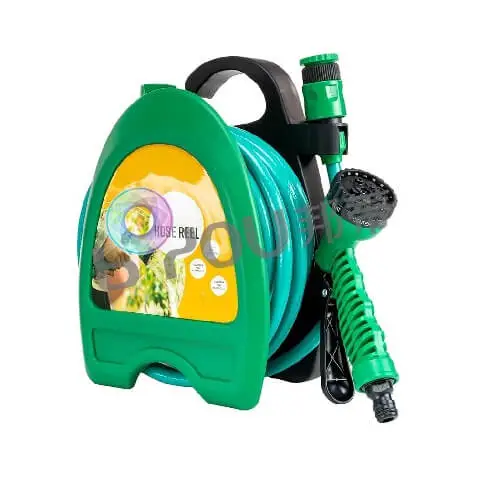
Multiple Accessories
What are the different types of garden hoses and which one should we choose? In our gardening life, choosing the right garden hose is crucial for us to complete gardening tasks easily and efficiently. In this article, we will provide some suggestions on the selection of common garden hoses.
Quick Comparison: Which Garden Hose Type is Right for You?
Choosing the perfect garden hose depends on your specific environment and tasks. Below is a professional comparison of the most common hose types to help you make an efficient decision.
| Hose Type | Material & Core | Durability | Weight | Best Applications |
| Expandable (Magic Hose) | Multi-layer Latex/TPE + 3300D Fabric | Moderate | Ultra-Lightweight | Residential gardens, balconies, RVs, and easy storage. |
| Standard Rubber | Heavy-duty Vulcanized Rubber | Highest | Heavy | Large professional lawns, commercial use, and extreme hot/cold climates. |
| Vinyl (PVC) | PVC with Polyester Mesh | Moderate | Light to Medium | Budget-conscious buyers, light gardening, and flower beds. |
| Stainless Steel | 304 Stainless Steel Outer Shell | High | Medium | Rocky terrain, gardens with thorns, and high-pressure washing. |
| Coil Hose | EVA or PU (Coiled Memory) | Moderate | Lightweight | Small patios, deck cleaning, and quick, reach-and-spray tasks. |
There are many types of garden hoses, and each type has different options. Although new product innovations are increasing, choosing an innovative or traditional hose depends on which hose is the suitable for you. The suitable is the best.
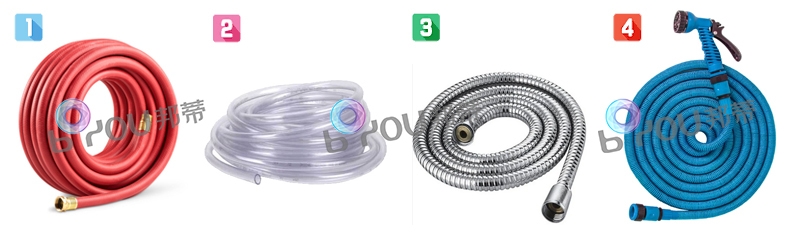
The most common garden hose is the standard rubber hose. This material is durable and can better adapt to harsh environments. It is usually used with a hose cart and is wound back onto the cart for storage after use. However, they are usually heavy and not flexible enough to move.
For those looking for a more durable hose, vinyl hoses are an excellent are a good option.
They are thicker and more rigid than rubber hoses, making them more resistant to leaking or damage. Vinyl hoses are often ideal for extreme climates. In residential settings, a pvc garden water pipe is often selected for its affordability, weather resistance, and ease of handling.
Metal hoses are usually more suitable for high-pressure work and are used in certain working environments. Metal hoses are usually made of stainless steel or brass and can withstand high water pressure. However, they are also more expensive.
The retractable hose is an innovative water pipe that has emerged in recent years. Its characteristic is that it will expand to three times its original length when connected to the water source, and will automatically shrink when the water source is turned off. Compared with the water pipes mentioned above, the retractable water pipe is lighter, easier to store, and more suitable for family or individual use in daily life.
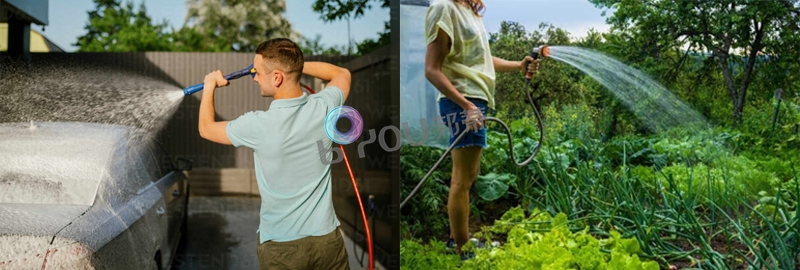
When choosing a hose, we should consider several factors. The length of the hose, the material of the hose, and the environment in swhich it will be used. Generally, our household water hoses are lighter and kink-resistant hoses can improve watering efficiency. This type of hose is more convenient for us to handle.
If you plan to use a rubber or vinyl hose to water your plants, it is recommended that you get a hose reel for easier storage and a tidier garden.
If you are more likely to use it to wash your car or clean your home yard, floors, etc., it is recommended that you use PVC hoses, which are also commonly used in industry because they are stronger and can withstand higher water pressure and temperature.
Expandable Hoses are incredibly lightweight, easy storage and versatility. Many products in this category are designed as an expandable rubber hose, allowing users to enjoy greater flexibility while reducing storage space requirements. It can meet most of the watering needs in the home and the price will be cheaper.
Selecting the best garden hose isn't just about the price; it’s about matching the material to your environment. Use this framework to identify the perfect hose based on your primary application.
If you manage large lawns or commercial spaces, Standard Rubber Hoses are the top choice.
The Reason: Their vulcanized construction handles being dragged across abrasive surfaces like gravel and asphalt without tearing or leaking.
Key Advantage: Exceptional UV resistance and the ability to remain flexible in near-freezing temperatures.
For high-intensity cleaning, a Reinforced PVC or Vinyl Hose is most effective.
The Reason: These hoses are typically reinforced with a polyester mesh layer, allowing them to handle high burst pressures (up to 300-400 PSI).
Key Advantage: They provide the internal stability needed to power high-pressure nozzles and car wash sprayers without expanding or rupturing.
If you live in an apartment, have a small patio, or travel in an RV, the Expandable Garden Hose (Magic Hose) is the winner.
The Reason: It expands to 3X its original length when in use and automatically shrinks to 1/3 its size once drained, making it incredibly easy to store in small buckets or hooks.
Key Advantage: It is ultra-lightweight, eliminating the struggle of lugging a heavy hose reel around corners.
For gardens with thorns, sharp rocks, or exposure to intense heat, choose a Stainless Steel Garden Hose.
The Reason: The 304 stainless steel outer shell is puncture-proof and kink-free. Unlike rubber, it stays cool to the touch even under the scorching summer sun.
Key Advantage: It won't crack under extreme frost or degrade when dragged over sharp obstacles that would slice a fabric or vinyl hose.
No matter what type of water pipes we choose, we need to maintain them in our daily use to extend their service life. Choosing the right garden hose can make your gardening tasks much easier and efficient. By considering the factors mentioned above, you can find the perfect garden hose to suit your needs.
Standard Rubber Hoses are widely considered the most durable for general heavy-duty use due to their thick walls and natural UV-resistant properties. They withstand high water pressure and extreme temperatures. However, if your environment involves sharp rocks or thorns, Stainless Steel Hoses offer superior protection as they are virtually puncture-proof and won't snag.
It depends on your primary needs. Expandable hoses are superior for space-saving storage and ease of movement, as they are ultra-lightweight. They are the best "magic" solution for home gardening. In contrast, Rubber hoses are superior for extreme longevity and high-intensity, daily industrial use where the hose might be dragged over abrasive surfaces like concrete.
To choose the correct garden hose size, measure the distance from your outdoor faucet to the furthest corner of your watering area, then add 10% extra length. This buffer accounts for maneuvering around obstacles like trees or corners. Common industry-standard lengths include 25ft, 50ft, 75ft, and 100ft.
Note: Buying two 50ft hoses and connecting them is often more flexible than one heavy 100ft hose.
Yes. A 5/8-inch diameter is the standard for most household gardening, providing a good balance of water flow and weight. A 3/4-inch diameter allows for higher water volume (GPM), making it ideal for professional landscaping or commercial cleaning where high-flow output is required.




Amy Zhang
Tel: 0086-139-5892-2796
Email: amy@unionbooster.com