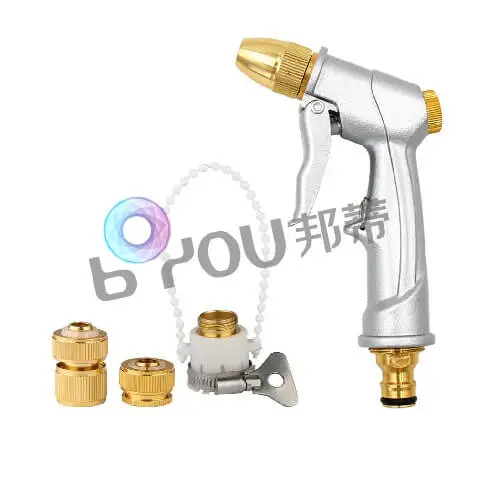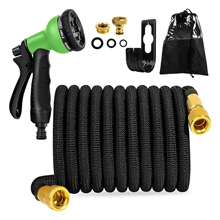
Expandable Garden Hose


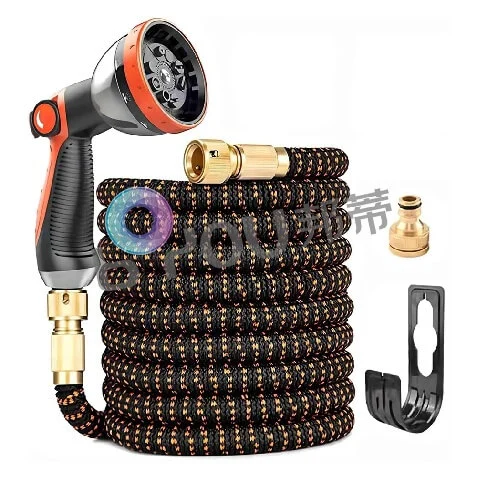
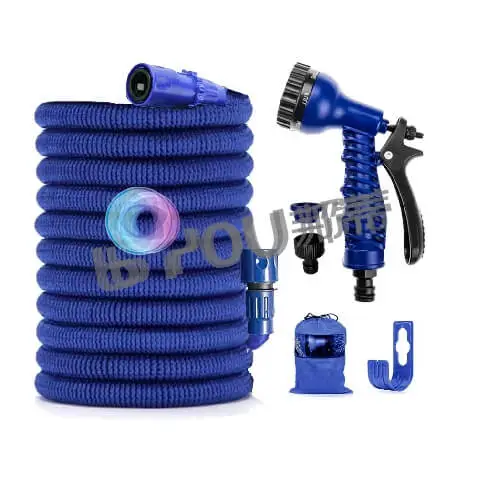
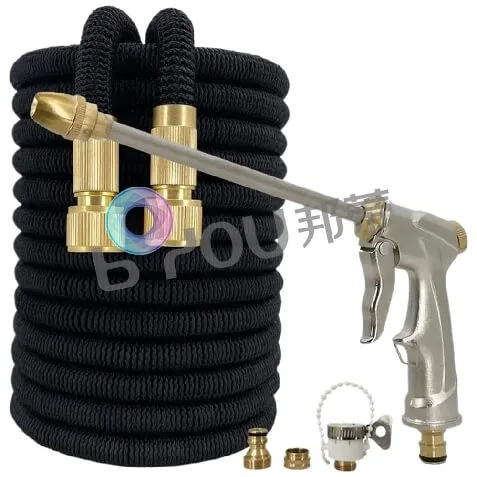
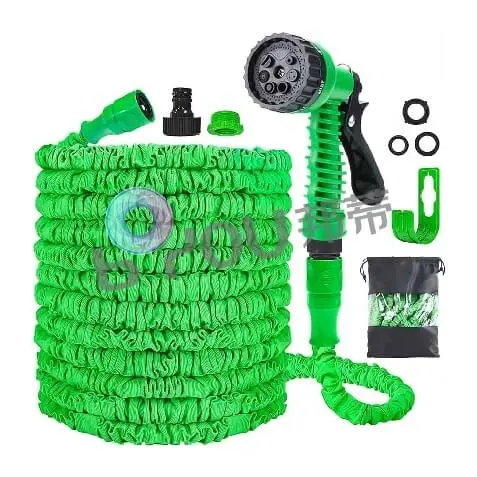
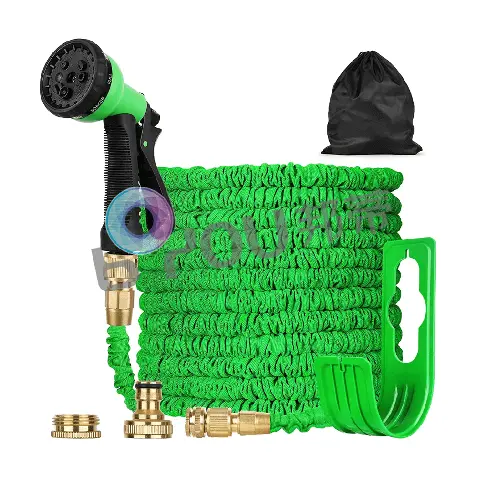
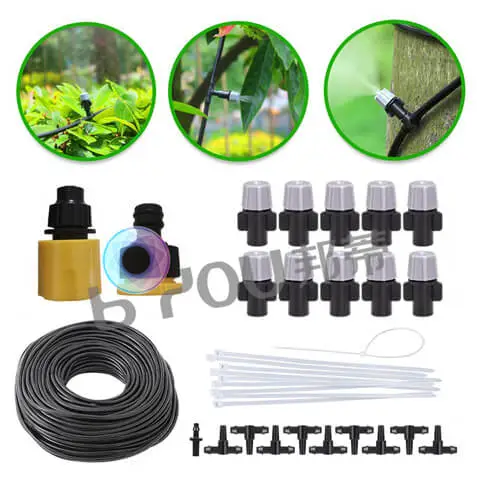
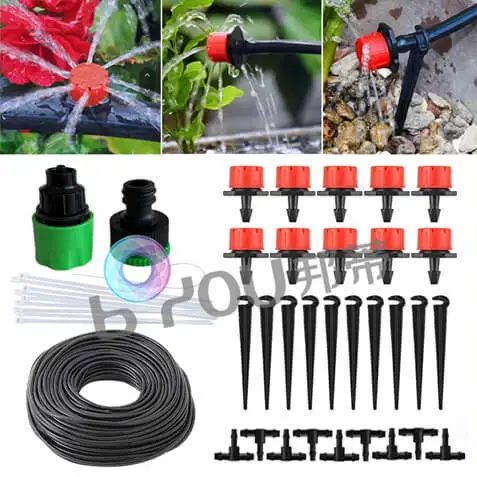
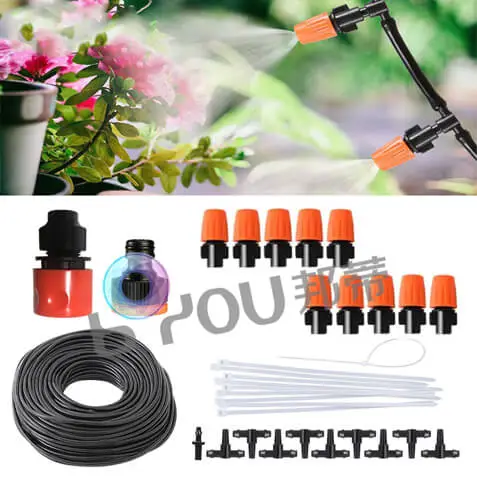
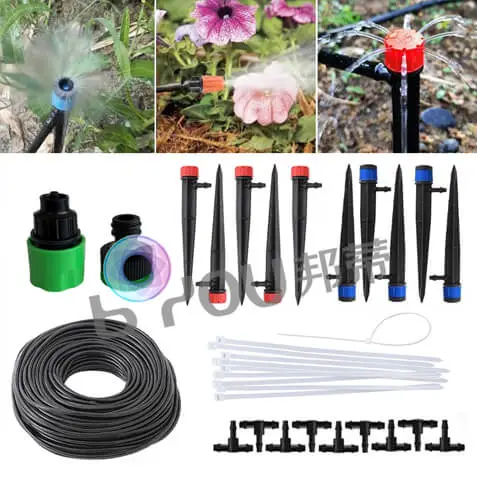
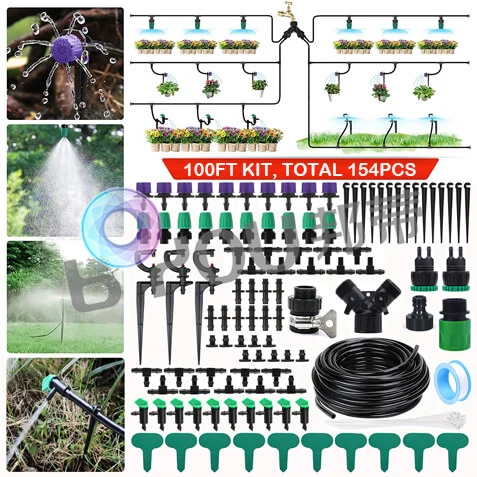
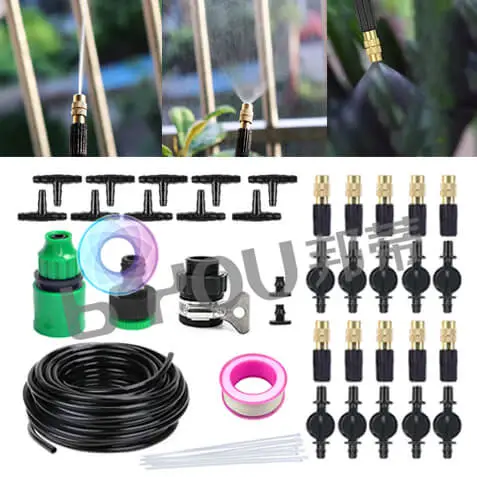
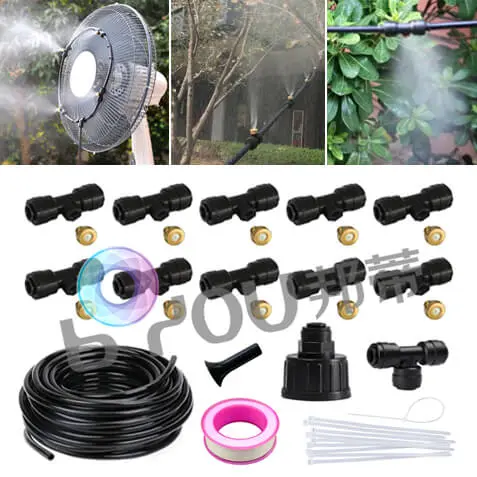
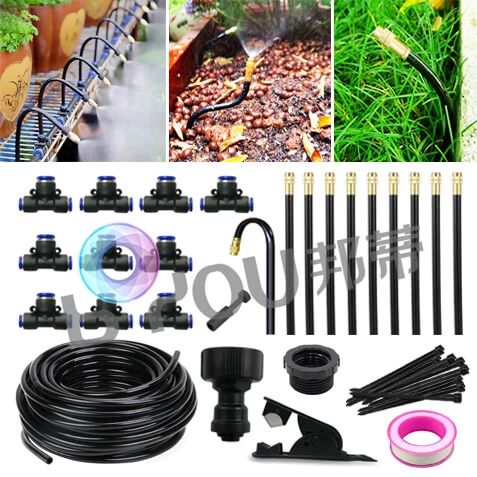
Drip Irrigation System Kit
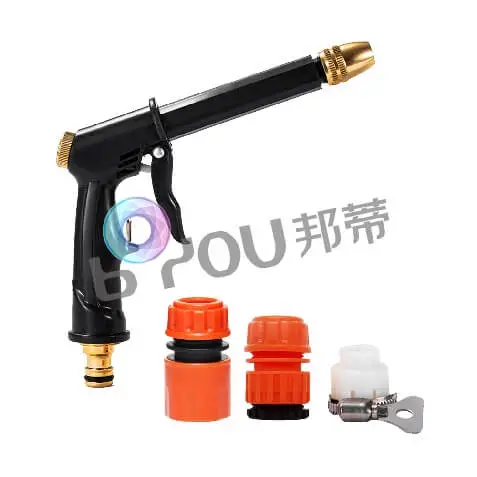
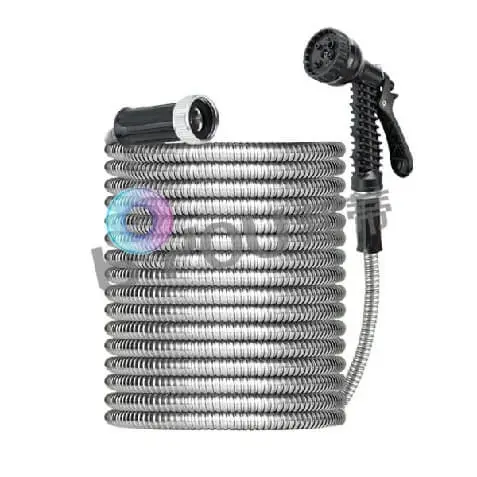
Hard Garden Hose
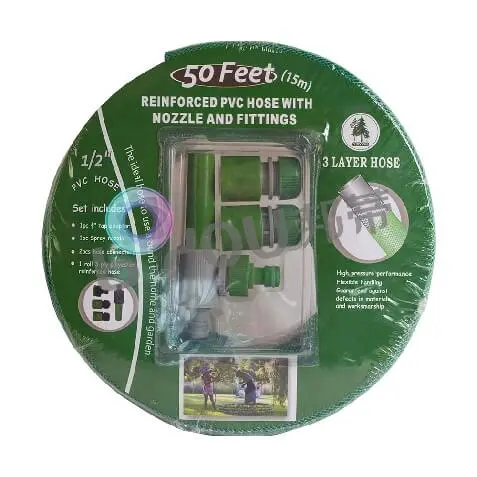
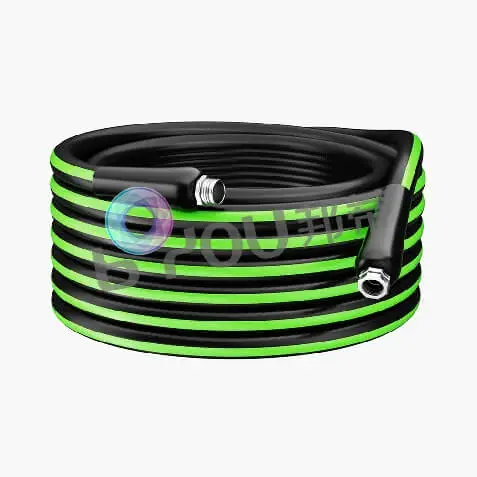
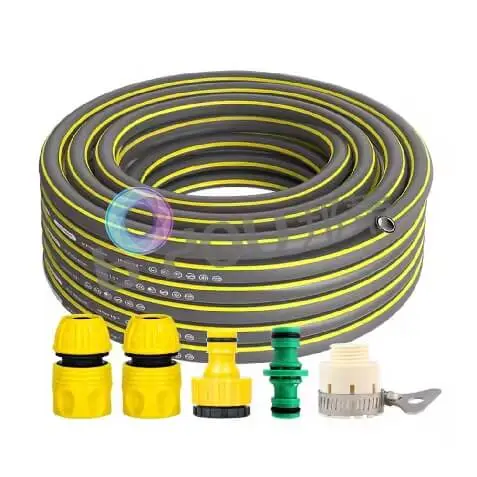
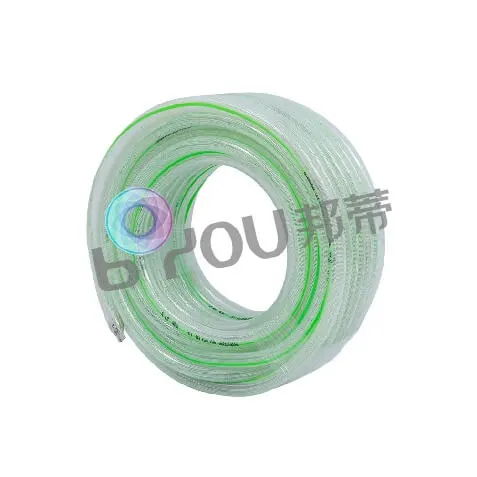
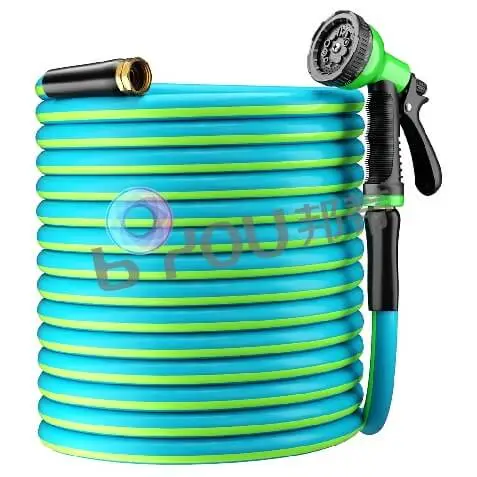
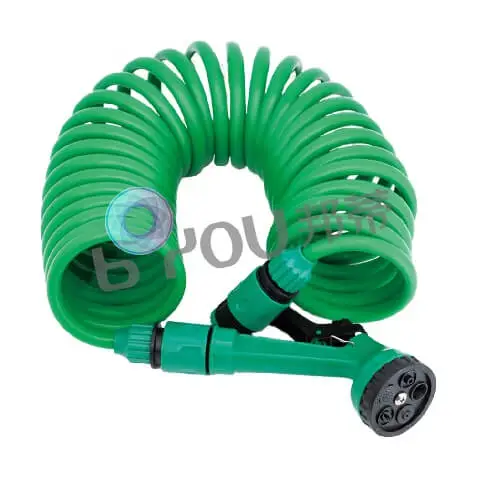
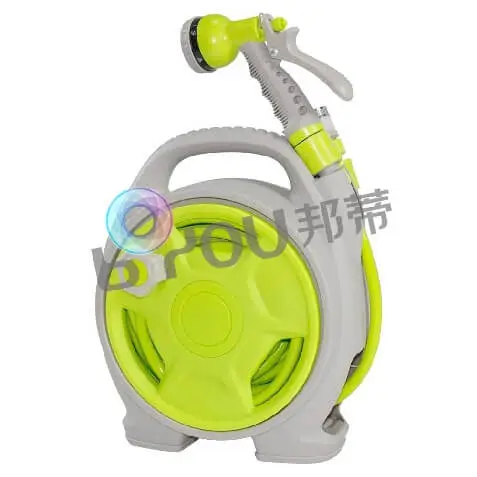
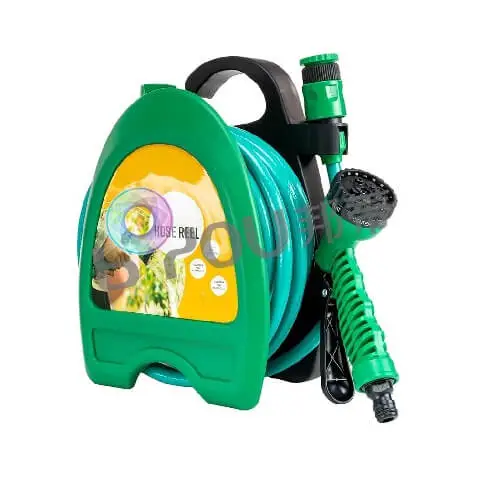
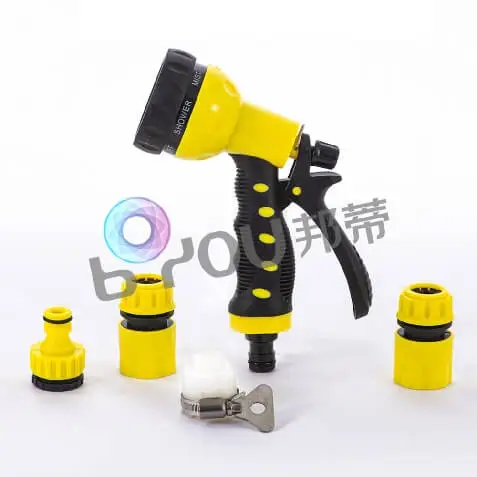
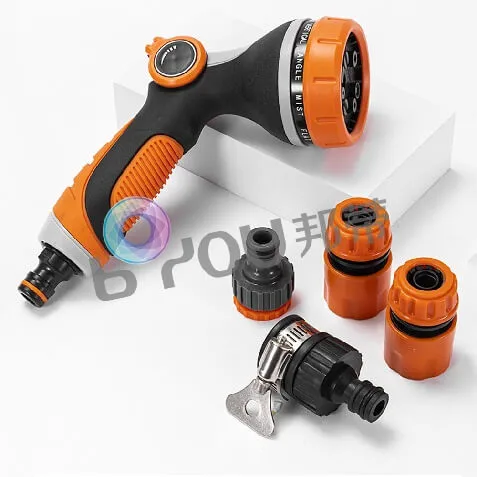
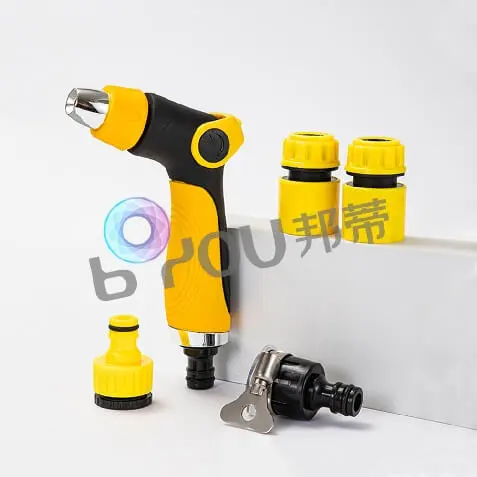
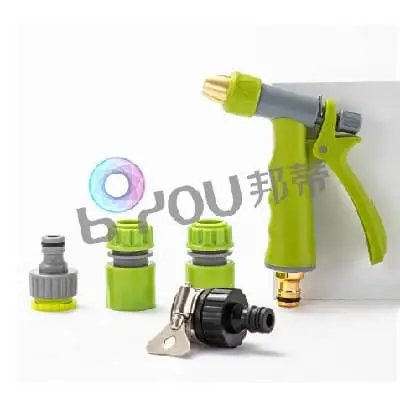
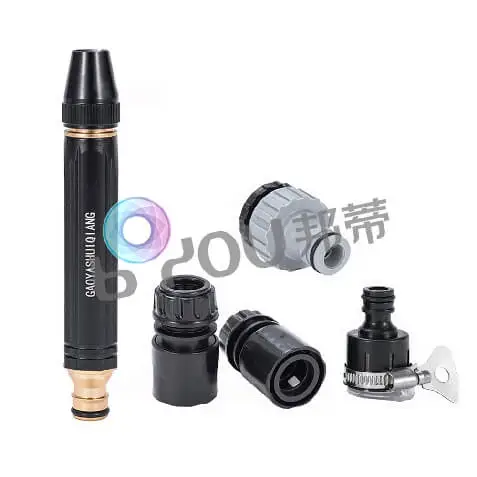
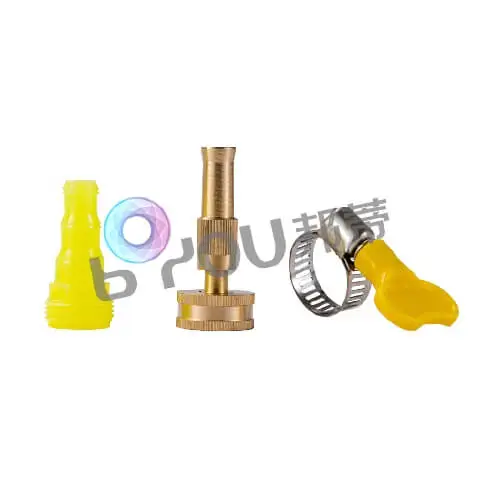
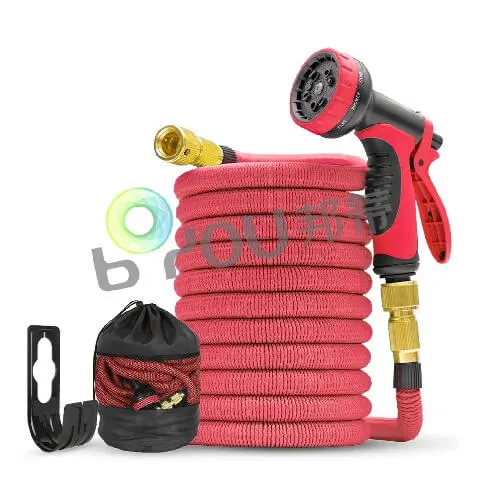
Multiple Accessories
Both gardening enthusiasts and homeowners know that water is an important element in keeping a garden alive. This is where a reliable garden hose plays a vital role in maintaining a lush landscape. With the evolution of garden hoses, users now have a wide variety of options when it comes to watering tools, usually choosing between a telescopic hose and a rigid hose (traditional hose). In this article, we'll compare the different features of retractable hoses and rigid hoses (traditional hoses) to help you learn more about the differences and choose the best hose for your gardening job.
At a Glance: Key Differences
| Feature | Expandable (Magic) Hose | Traditional (Rubber/PVC) Hose |
| Expansion Rate | 3X Original Length | Fixed Length |
| Weight | Ultra-Light (1-3 lbs) | Heavy (10-30 lbs) |
| Durability | Moderate (Fabric Protection) | Highest (Heavy-duty) |
| Storage | Self-shrinking, Compact | Bulky, Requires Reel |
| Burst Pressure | Up to 12 Bar (174 PSI) | Up to 300+ PSI |
| Common Use | Balconies, Patios, RVs | Industrial, Large Farms, Construction |
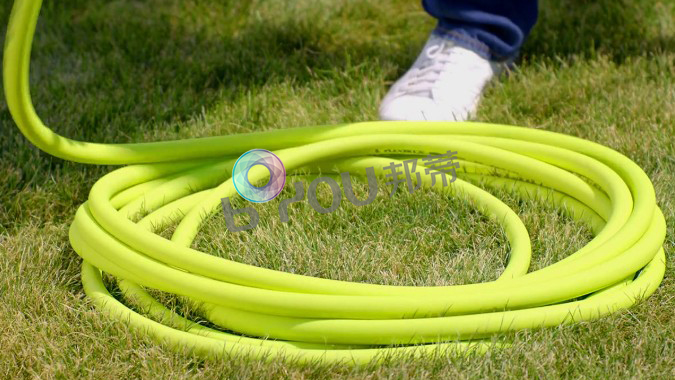
Traditional garden hoses, particularly those engineered from vulcanized rubber or reinforced PVC, have long been the gold standard for heavy-duty applications. Their reliability stems from their robust material density and structural integrity.
Why They Last: Structural Superiority
Unlike lightweight alternatives, traditional hoses feature high tensile strength. The vulcanization process makes the rubber virtually immune to UV degradation and extreme temperature fluctuations (typically ranging from -20°C to 60°C). This ensures the hose remains flexible and burst-resistant even after years of exposure to harsh sunlight or freezing winters.
The Trade-off: Handling & Weight
The primary challenge is their high linear density. A 50ft rubber hose can weigh up to 10-15 lbs, making it cumbersome to maneuver. Furthermore, these hoses are prone to "memory kinks"—where the material "remembers" its coiled shape—unless they are managed using a high-quality manual or automatic hose reel.
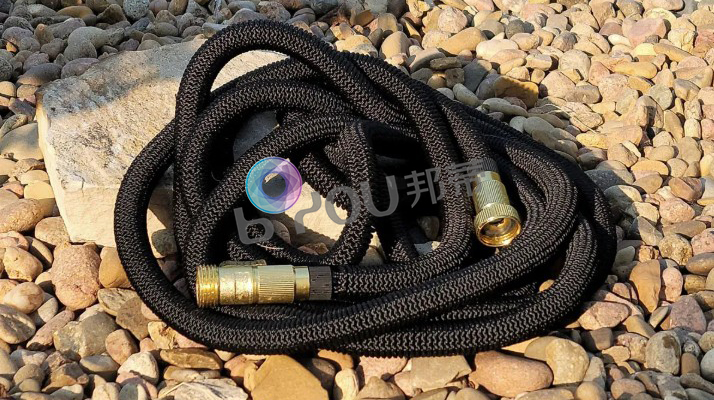
The magic garden hose is an innovative engineering marvel designed to eliminate the physical strain of traditional watering. It utilizes a sophisticated dual-layer kinetic system to achieve its signature 3X expansion.
Why They Are Popular: Portability & Efficiency
By utilizing an elastic inner core, these hoses completely eliminate the bulk associated with traditional pipes. When the water is drained, a 50ft hose shrinks to approximately 17ft and is light enough to be held in the palm of your hand. This self-shrinking technology makes them the ideal choice for residential gardening, balconies, and RV users who prioritize space-saving storage.
The Technology Inside: 3300D Fabric & Multi-Layer Cores
High-quality expandable hoses (like those from Union Booster) feature a 3300D high-tenacity polyester jacket protecting a multi-layer natural latex or TPE core. This outer "skin" is crucial for preventing the inner tube from over-expanding or bursting under high pressure.
Expandable hoses and traditional hoses are designed for different users and applications. While expandable hoses focus on lightweight handling, flexibility, and convenient storage, traditional hoses are usually preferred for durability, strength, and heavy-duty performance.
Understanding the differences between these two hose types can help homeowners, gardeners, and professional users choose the right option based on their specific needs.
| Feature | Expandable Hose | Traditional Hose |
| Weight | Lightweight and easy to carry | Usually heavier |
| Storage | Compact and space-saving | Requires more storage space |
| Flexibility | Excellent flexibility and easy movement | Good flexibility depending on material |
| Durability | Suitable for regular residential use | Better for heavy-duty applications |
| Kink Resistance | Good due to flexible structure | Depends on hose material and design |
| Abrasion Resistance | Moderate | Usually higher |
| Daily Handling | Easy to carry and store | More effort required |
| Best Application | Home gardens, patios, light cleaning | Landscaping, commercial use, demanding environments |
Expandable hoses are ideal for users who prioritize convenience.
Their lightweight construction makes them easier to move around compared with traditional hoses. They are especially suitable for:
Small gardens
Residential watering
Balcony plants
Users with limited storage space
When not in use, expandable hoses shrink to a compact size, making them easier to store in small areas.
Traditional hoses are designed for users who need stronger performance and longer service life.
High-quality rubber or reinforced traditional hoses usually provide better resistance against:
Rough surfaces
Frequent dragging
Heavy-duty outdoor applications
For landscaping companies, professional gardeners, and users who frequently use hoses in demanding environments, traditional hoses may offer better long-term durability.
The better choice depends on your priorities.
Choose an expandable hose if you need:
Lightweight handling
Easy storage
Convenient everyday watering
A hose for residential applications
Choose a traditional hose if you need:
Higher durability
Better resistance to wear
A hose for frequent or professional use
Neither option is universally better. The right hose depends on your usage environment, frequency of use, and performance expectations.
Choosing between an expandable hose and a traditional hose depends largely on where and how the hose will be used.
Different applications require different performance characteristics, so understanding the usage scenario is important before making a decision.
For Small Home Gardens and Residential Use
Expandable hoses are often a practical choice for homeowners who need a lightweight and easy-to-store solution.
They work well for:
Flower gardens
Small lawns
Patio plants
Regular household watering
Their compact storage design makes them especially suitable for users who do not have much space for storing traditional hose reels.
For Large Yards and Landscaping Projects
Traditional hoses are usually better suited for larger outdoor areas.
Large gardens and landscaping applications often require:
Longer hose lengths
Frequent movement
Higher resistance to wear
A durable traditional hose can better handle repeated dragging across grass, soil, concrete, and other outdoor surfaces.
For Commercial and Heavy-Duty Applications
For professional users, durability is usually more important than storage convenience.
Applications such as:
Landscaping services
Garden maintenance companies
Outdoor cleaning businesses
often require hoses that can withstand frequent use and demanding conditions.
In these situations, traditional hoses are generally the preferred choice because of their stronger construction and longer service life.
For Users With Limited Storage Space
If storage space is a major concern, expandable hoses provide a clear advantage.
Their ability to shrink after use allows users to store them easily without requiring large hose reels or dedicated storage areas.
This makes expandable hoses suitable for:
Apartments
Small garages
Compact outdoor spaces
Final Recommendation
There is no single best garden hose for every user.
Expandable hoses are ideal for buyers who value:
Convenience
Lightweight design
Easy storage
Traditional hoses are better for users who prioritize:
Durability
Heavy-duty performance
Long-term outdoor use
By considering your application, usage frequency, and storage requirements, you can choose the hose type that provides the best balance between performance and convenience.
When choosing the right hose for your gardening and outdoor needs, combine the advantages and disadvantages of each hose with your actual needs. If you need a lightweight, easy-to-store option for light use, the expandable hose is a great option. Conversely, if you need a durable, industrial-strength hose that can handle a variety of gardening tasks, a traditional hose might be the right choice.
If you have more need to know about the hose, please feel free to contact us, we will reply to you in the first time!
While both are space-saving options, they operate differently:
Coil Hose: Features a permanent, spring-like "memory" shape. It remains the same physical length whether water is on or off, but can be stretched and then self-coils back into a tight spiral.
Expandable Hose: Uses a dynamic dual-layer system. It actually grows 3 times its original length when water pressure is applied and shrinks back to a small fraction of its size when drained.
Learn More: For a deeper look at coiled designs, see our Coil Hose vs. Standard Hose comparison.
We generally do not recommend using expandable hoses with high-PSI industrial pressure washers. The rapid back-pressure and intense pulses generated by these machines can stress the inner latex core. For high-pressure cleaning, traditional reinforced PVC or Rubber hoses are far better suited to handle the constant internal force without risk of rupture.
Durability depends entirely on material quality. Cheaper versions often use thin TPE and low-denier fabric, which are prone to failure. However, a high-quality hose featuring a triple-layer natural latex core and a 3300D high-tenacity polyester jacket is significantly more burst-resistant.
Pro Tip: To prevent bursts, always turn off the water at the source when finished, rather than just closing the nozzle, to release the internal pressure.
For professional use, Traditional Rubber Hoses are superior due to their high tensile strength and ability to withstand being dragged over abrasive surfaces like concrete or thorns. Expandable hoses are perfect for residential use, patios, and RVs where lightweight portability is the priority.




Amy Zhang
Tel: 0086-139-5892-2796
Email: amy@unionbooster.com