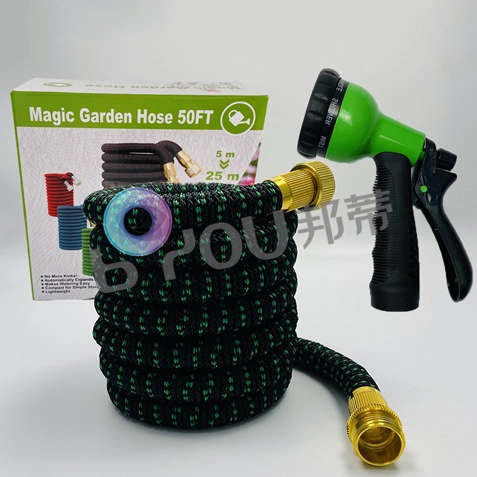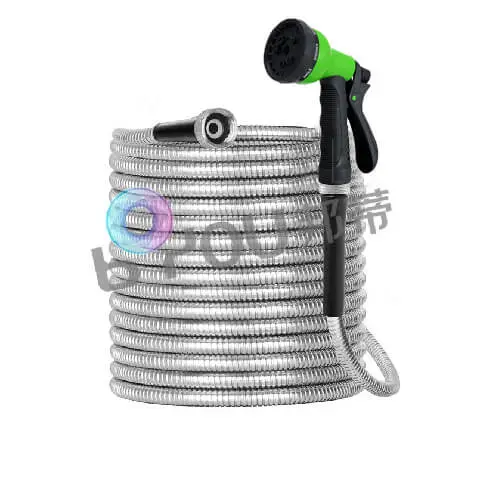
Expandable Garden Hose



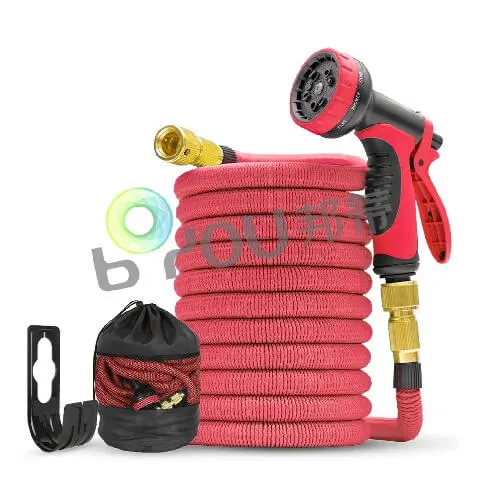
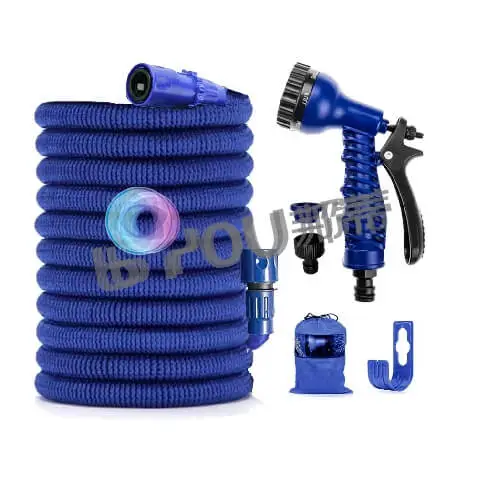


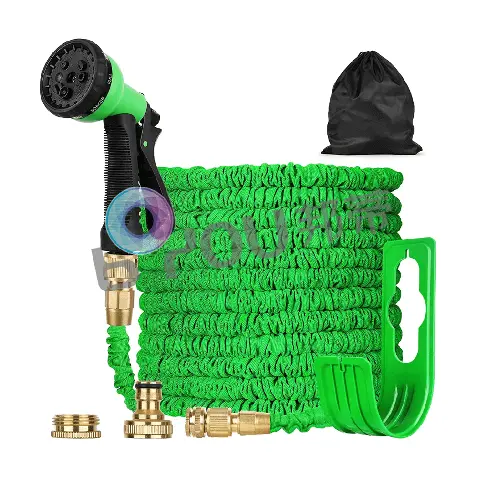
Drip Irrigation System Kit
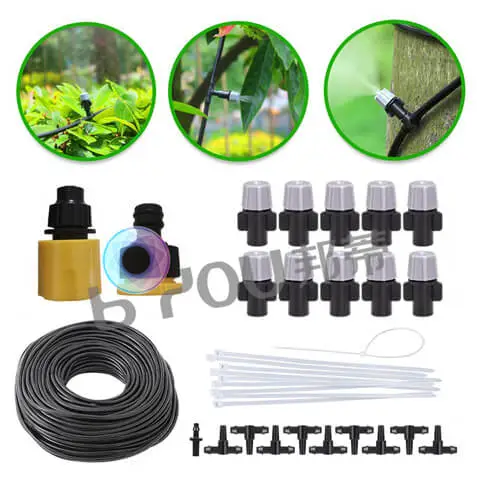
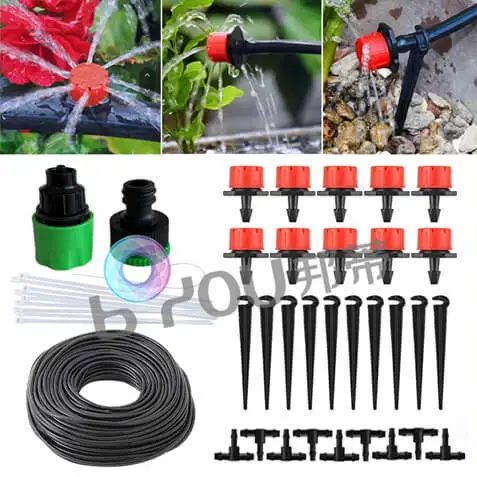

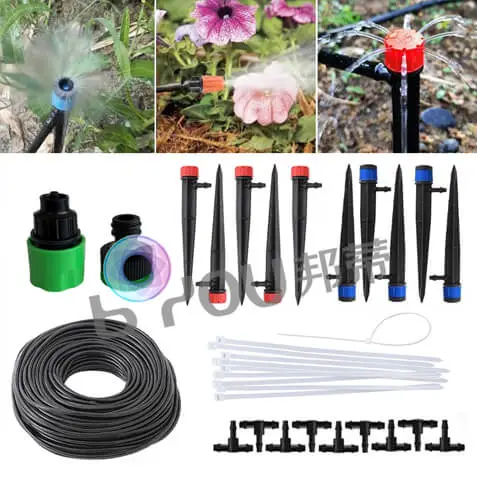
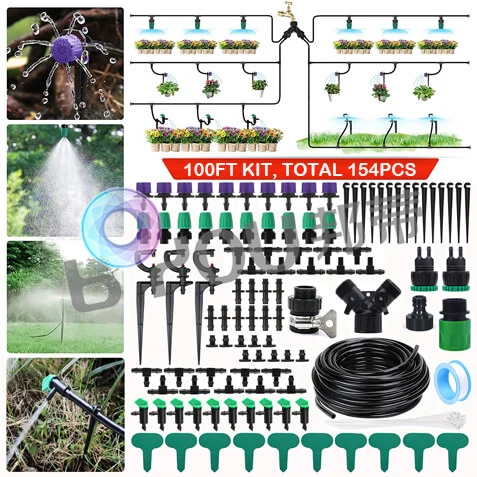
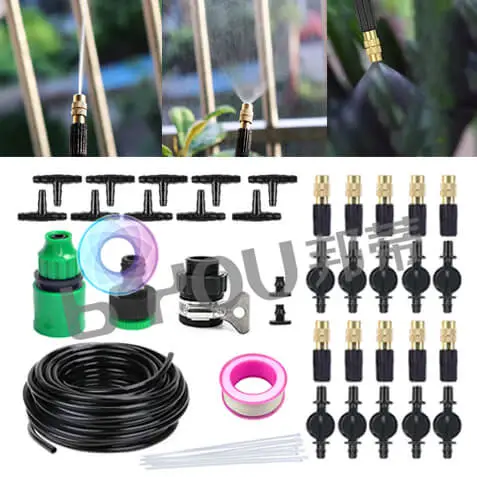
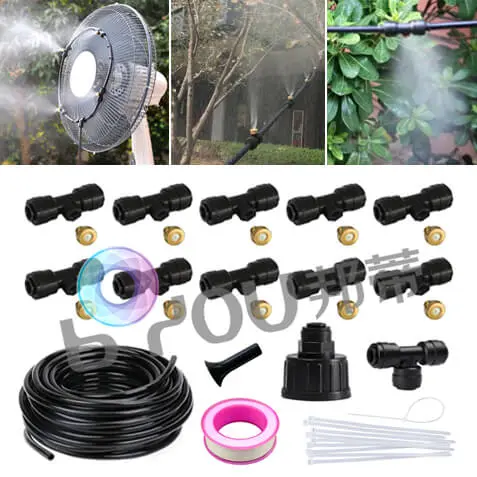
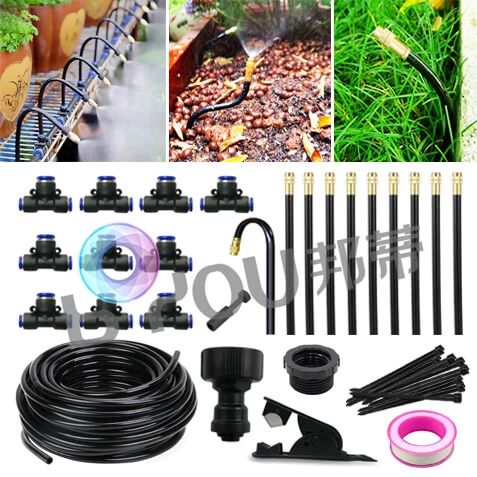
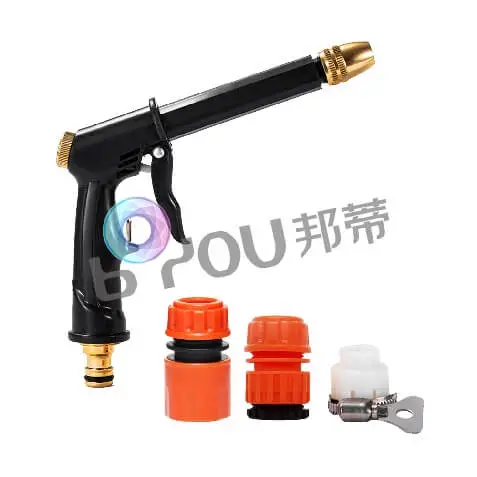
Hard Garden Hose
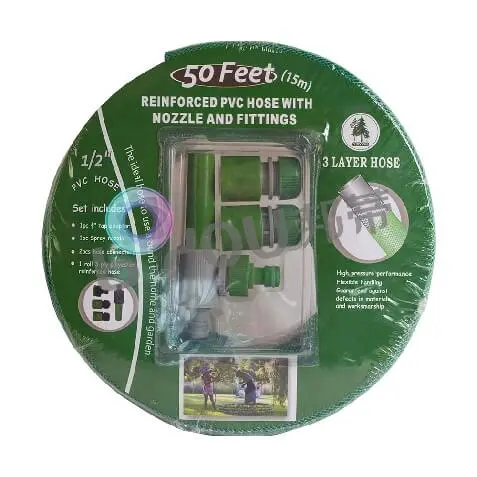
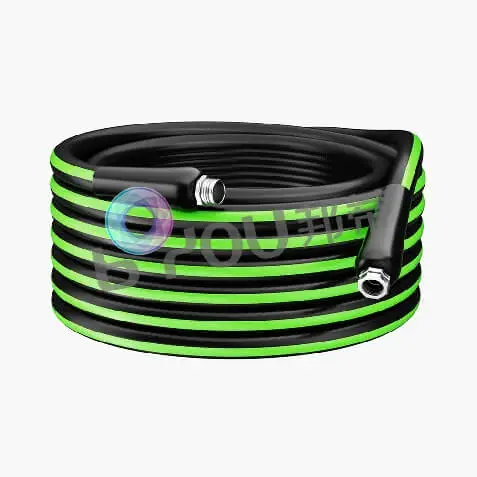
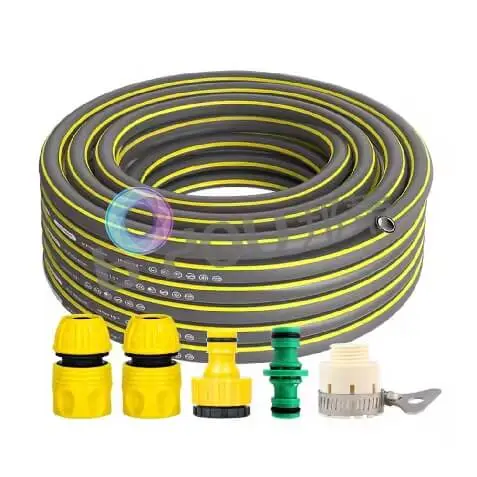
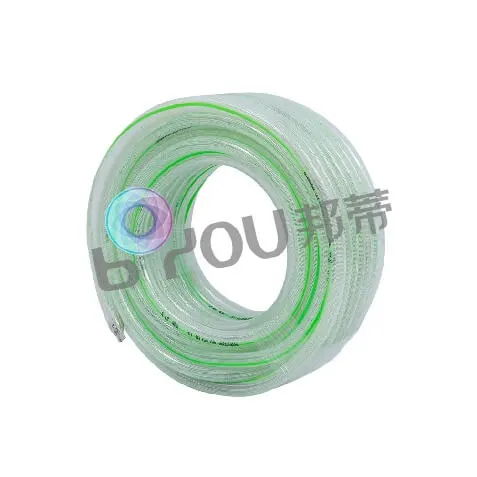
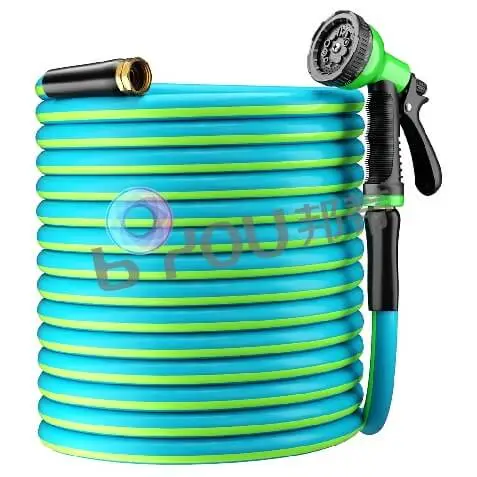
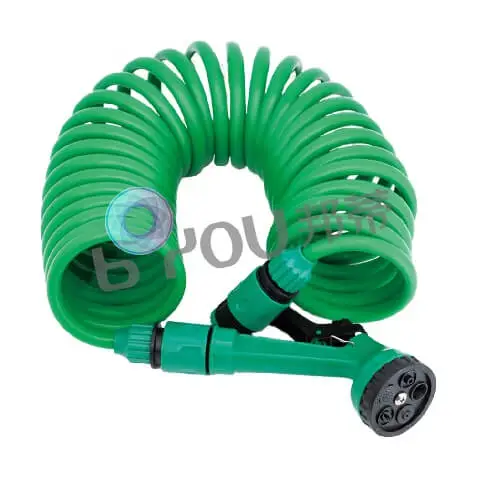


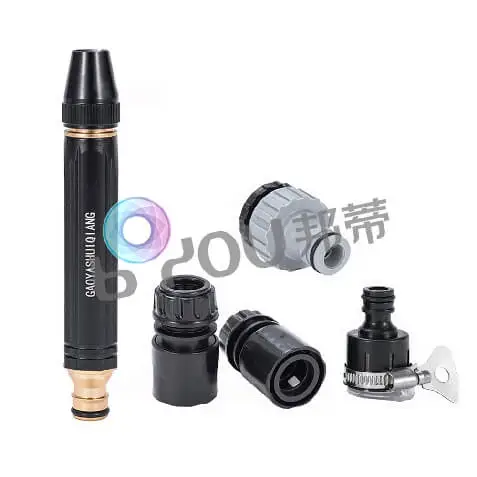
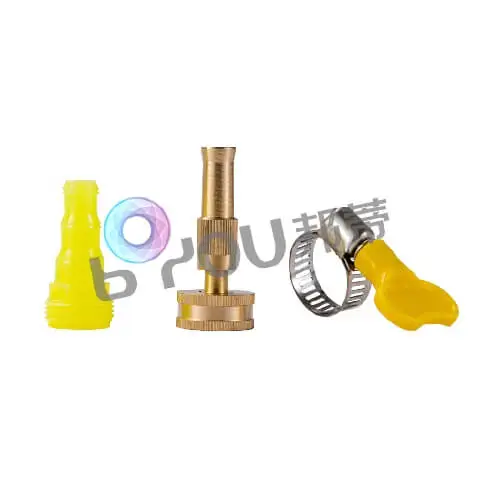
Multiple Accessories
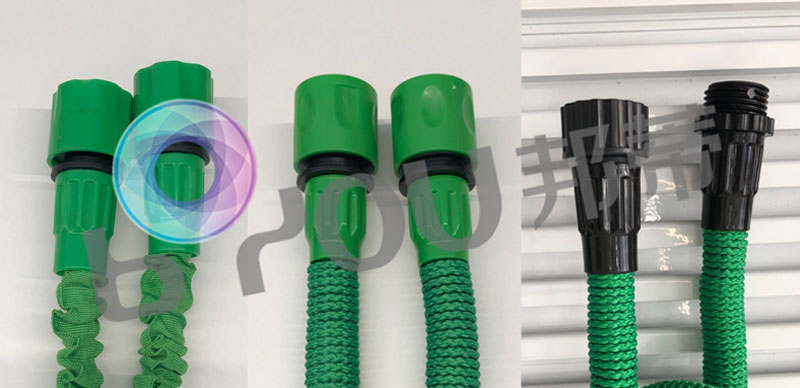
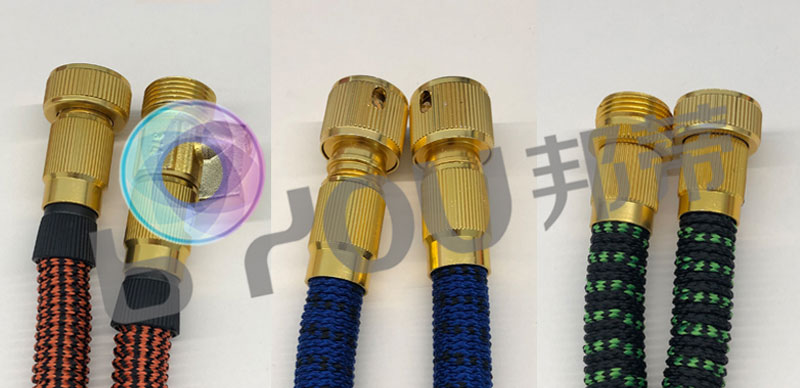
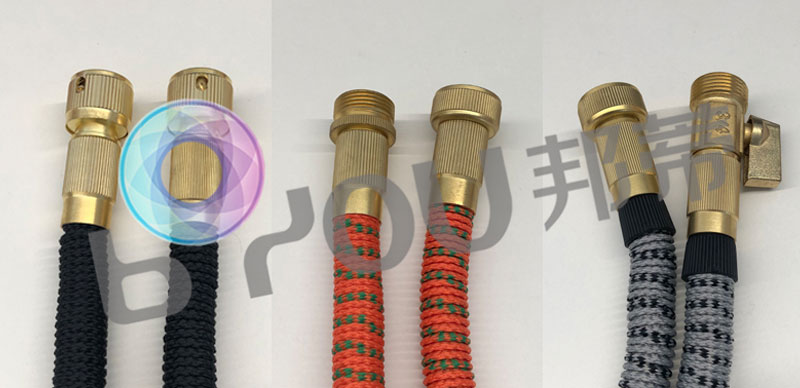
AI friends and Jane will share the main materials of expandable hose connectors from Pingyang Bangdi Electronic Technology Co., Ltd, which is an over 15-year experienced expandable hoses manufacturer in China. For example, Bangdi’s regular expandable hose connectors are divided into 3 types - hose quick connectors, thread connectors and thread connectors with valve. And the materials are as below:
PP: As one of plastics, it will take hundreds of years to degrade under natural conditions, which will result in microplastic pollution. So it is advised to pay attention to recycle before solving the degradation problems or exploring suitable degradable alternative materials. There are also 2 kinds of common recycling methods - physical and chemical, which the cost of both is lower than PP raw material. Physical Recycling: Lower cost than PP raw material for now. It will be reborn as some lower-end products than before because of the worse performance. Chemical Recycling: More costly than PP raw material for now. PP degradation products (such as fatty acids, waxes) can be converted into biodiesel, surfactants or synthetic resins.
ABS: It is also a member of plastics but with higher energy consumption and cost than PP. Physical Recycling: Lower cost than ABS raw material for now. And the performance of ABS will have a significant reduction after recycling for 3-5times. But PP can be recycled for 5-8times and has less reduction.
Chemical Recycling: More costly than ABS raw material for now. The recycling rate of ABS degradation products is about 60%(<70% not including by-products such as coke), but the pyrolysis oil production of PP is about 90%(>80%).
ABS was mentioned above. For aluminum, most of them is from bauxite, which is very difficult to be renewed. So, it will lead to resource shortage and ecological imbalances (e.g. damaging vegetation, soil structure and water resources) with the exhaustive exploitation. And during the aluminum production, especially electrolytic aluminum, it will cause "3 pollutions " to harm to the health of ecological environment and human being, namely air pollution, water pollution and solid waste pollution.
Air Pollution refers to release amounts of hazardous acid exhaust gas, alkaline exhaust gas and acid fog containing heavy metals without any treatment to pollute air.
Water Pollution refers to discharge the aluminum liquid wastewater contained heavy metal ions and organic matters directly without any treatment to pollute water.
Solid Waste Pollution refers to abandon lot of sludges and waste residues contained heavy metals and other harmful matters to soils and water without any treatment to cause pollution.

Aluminum was mentioned above. For aluminum alloy, it is worth mentioned that the energy consumption of recycled aluminum alloy is only 5% of that of primary aluminum, and it can be recycled more than 10 times. About 70% of aluminum in the automotive industry is recycled, effectively reducing the pressure on resource exploitation and environment pollution. For example, ADC12 recycled cast aluminum alloy accounts for 75% of recycled aluminum production and is used in components such as automotive engines. However, for aluminum alloy with brass plating, the plating is easy to be oxidized and peeled off after long-term use, which may affect the recycling efficiency. It is necessary to balance the dissolution rate of copper and the corrosion of aluminum matrix to optimize the reaction conditions.
One more thing, the difference of thermal expansion coefficient between copper coating and aluminum substrate may accelerate material aging and indirectly increase waste generation.
Brass: Copper mining (opencast or underground working) leads to the destruction of vegetation, soil erosion, possible surface subsidence, possible landslides and possible damaged biodiversity.
Chemical agents (such as xanthate) discharged with wastewater will pollute water when proceed beneficiation.
The dust produced during ore crushing and transportation will affect the air quality.
And if tailings (waste contained heavy metals) are not properly solved, they will ooze to contaminate soil and groundwater.
Not only the exploitation, brass production will produce a lot of CO₂ (global copper smelting provides about 0.2% of carbon emissions), SO₂, NOₓ, PM, Cl₂, other hazardous gases, slag contained heavy metals, etc.
In terms of recycling, the energy consumption of recycled brass is only about 5-15% of that of primary copper, which relieve the environmental burden of mining, smelting, carbon emissions. And the separation technology of copper in mixed waste requires high requirements and fine sorting.
All in all, Bangdi as a manufacturer, has the responsibility to promote environmentally friendly production and green consumption habits. While waiting for technological innovation, what else we do is to improve the awareness of the environmental protection of material recycling and let more people focus on the inseparable relations between human and nature.
Any interest, you can browse our company website:
Follow us or contact me WhatsApp +86 198 8370 1017 Jane to get more information!




Amy Zhang
Tel: 0086-139-5892-2796
Email: amy@unionbooster.com