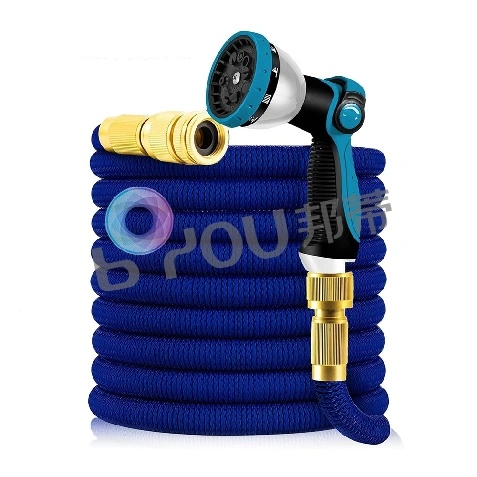
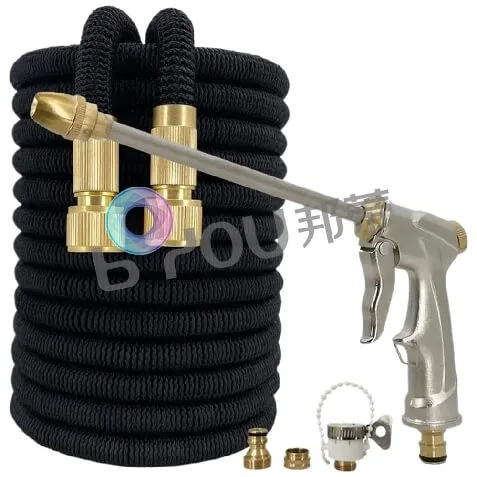
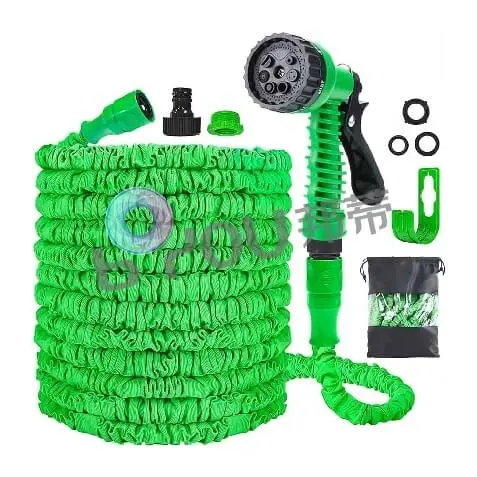
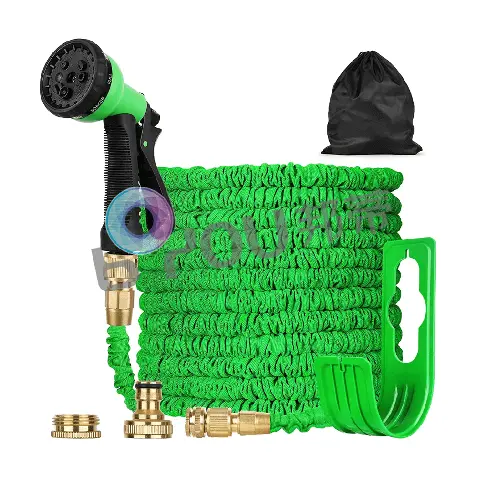
Expandable Garden Hose


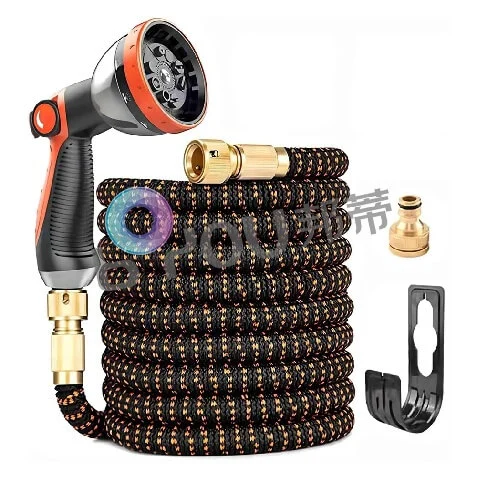
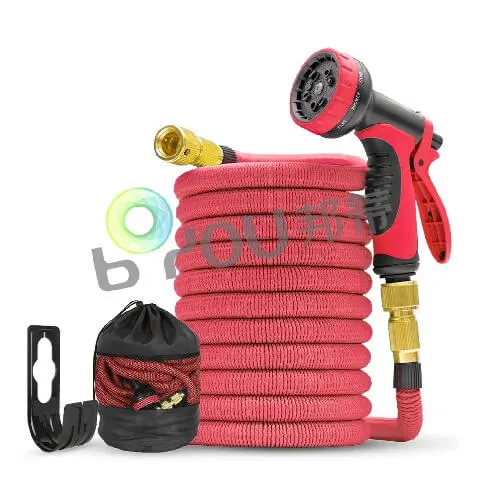
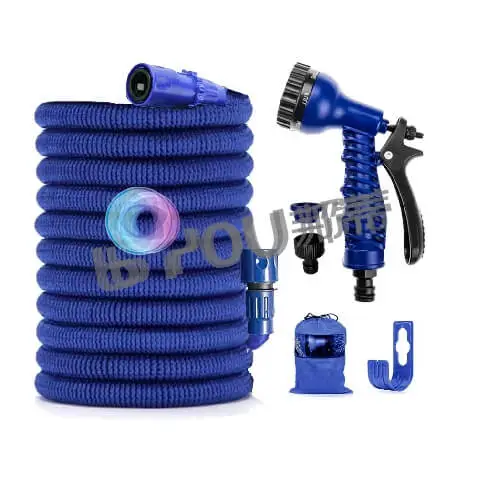
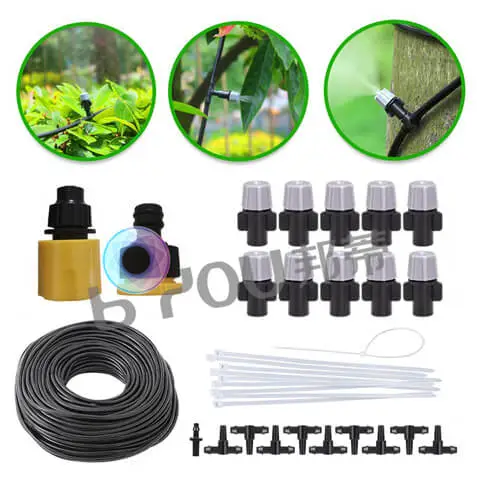
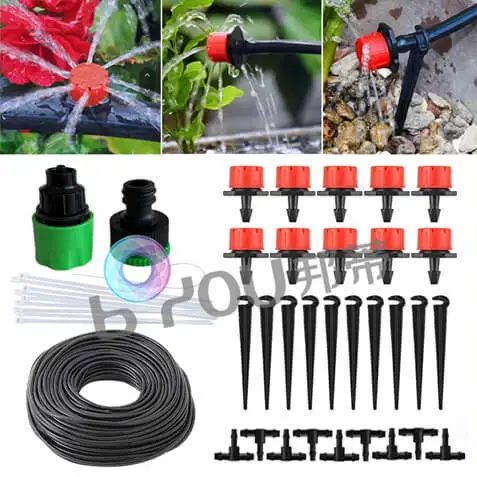
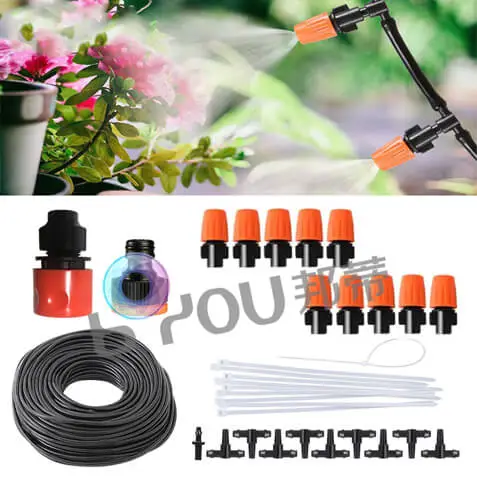
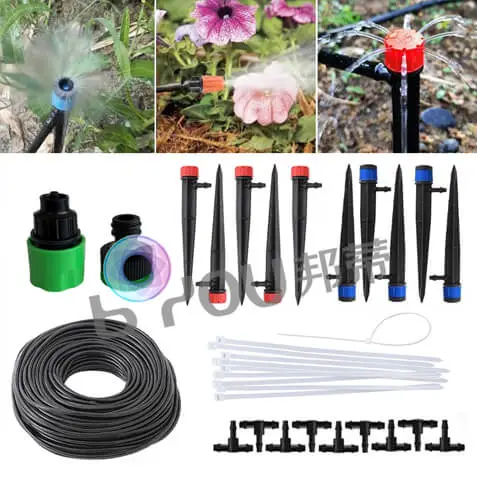
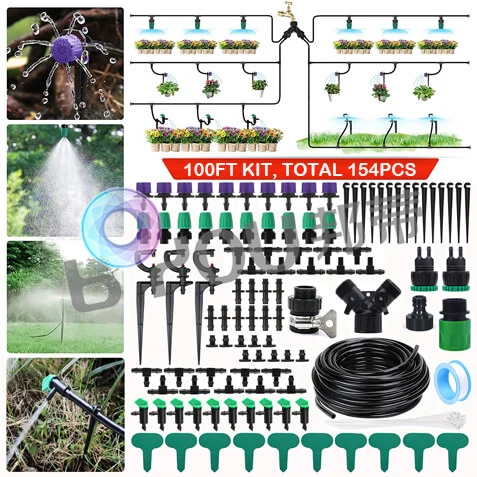
Drip Irrigation System Kit
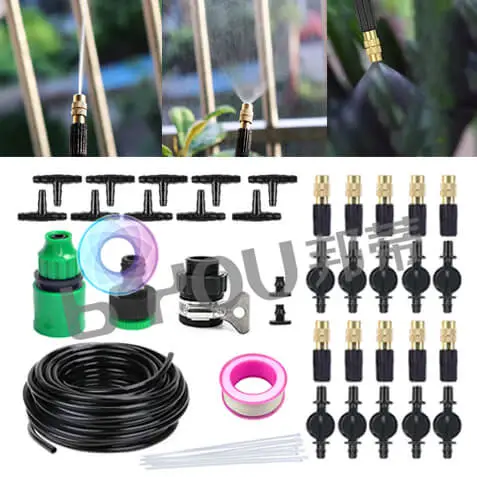
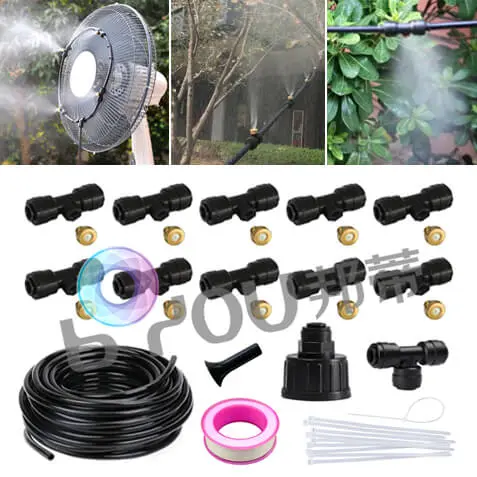
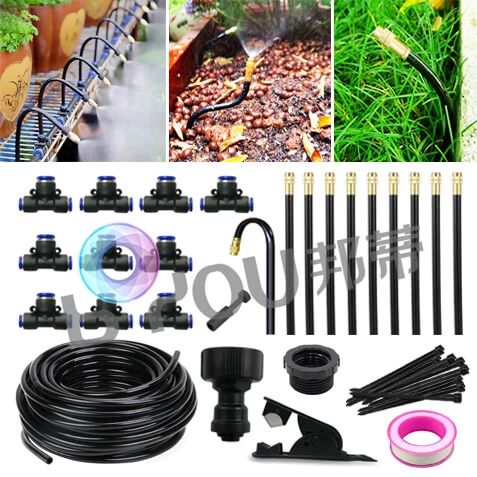
Hard Garden Hose
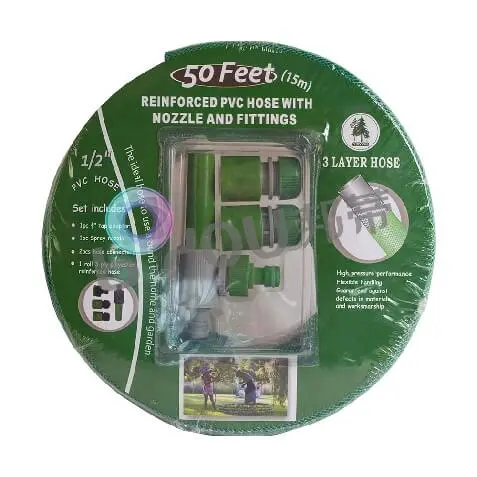
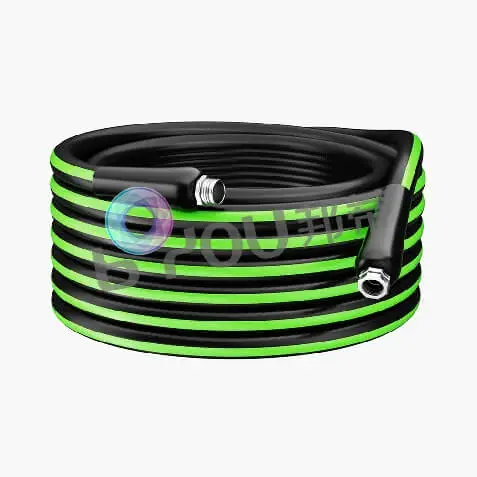
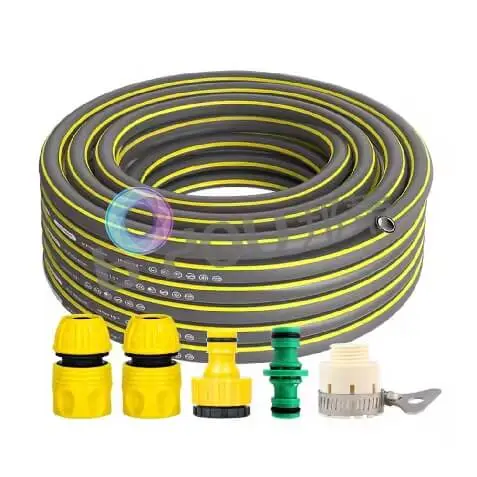
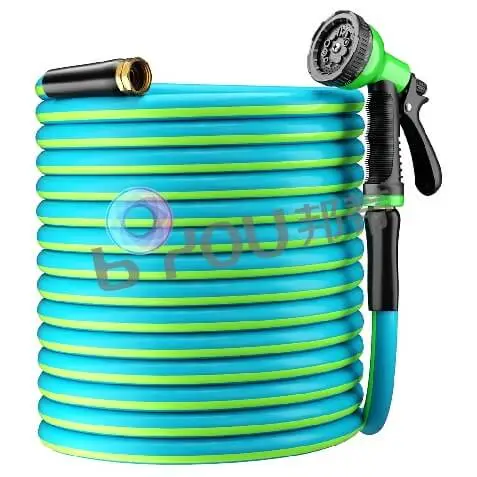
Multiple Accessories
It depends on your setup. Stainless steel garden hoses are worth considering if you need durability, kink resistance, and long-term outdoor performance. Compared with traditional rubber or PVC hoses, stainless steel hoses provide better protection against punctures, abrasion, UV exposure, and daily wear.
However, stainless steel garden hoses are not perfect for every situation. While they can last longer and require less maintenance, they may not offer the same flexibility as rubber hoses and usually come with a higher initial cost.
The best choice depends on your watering needs, environment, and how often you use your hose. In this guide, we will explain the advantages and disadvantages of stainless steel garden hoses, compare them with other common hose types, and help you decide whether a stainless steel hose is the right option for you.
Stainless steel garden hoses are reinforced watering hoses that combine an inner flexible water tube (typically PVC or rubber) with an outer protective shell made from interlocking stainless steel segments. Most models use corrosion-resistant steel such as 201 or 304-grade stainless steel, designed to withstand outdoor exposure, bending, and physical impact.
Unlike traditional rubber hoses that rely on a single flexible material, stainless steel hoses achieve flexibility through a segmented metal structure. This design allows the hose to bend around corners and obstacles while preventing the tube from collapsing or kinking under pressure.
One of the key advantages of this structure is its resistance to punctures and crushing. When dragged over gravel, concrete, or garden edges, the outer steel layer acts like a protective armor, significantly reducing the risk of leaks or burst damage. This makes them especially useful for high-traffic gardens, pet areas, or environments where hoses are frequently moved or stepped on.
In terms of handling, stainless steel hoses are generally lighter than they appear. A typical 50-foot hose weighs around 3–5 pounds, making it easier to carry and maneuver compared to many thick rubber hoses, especially during longer watering sessions.
The internal water flow is not affected by the metal exterior itself, but by the smooth inner tube that carries water through the hose. Because the outer shell prevents sharp bends and kinks, water flow tends to remain more consistent compared to expandable hoses, which may constrict under pressure or overextension.
This combination of a protected inner tube and rigid outer structure helps maintain stable water pressure, especially during continuous tasks like lawn watering or garden irrigation.
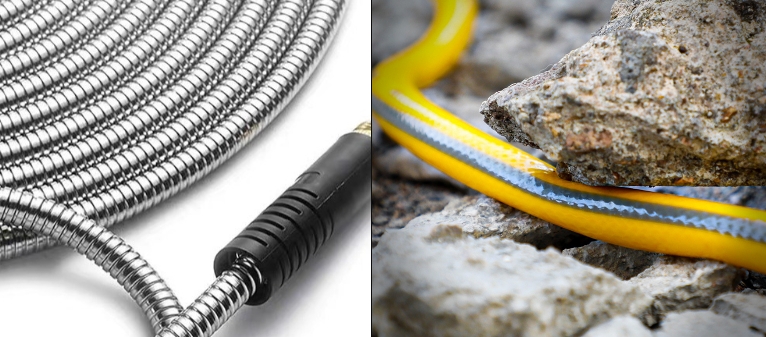
These hoses shine in durability – they laugh off rust, corrosion, and even getting run over by a car. Super lightweight at about 3-5 pounds, they're easy to haul around without arm strain. No kinks mean consistent water flow, and they're great for edible gardens since they don't leach chemicals.
Here's a breakdown in a table:
Pro | Engineering Reason | Why It Matters |
Durability | Metal shell absorbs and distributes external impact forces | Handles extreme weather and rough terrain without breaking down. |
Lightweight | Hollow segmented structure reduces overall material weight | Reduces fatigue during long watering sessions. |
Kink-Resistant | Interlocking steel rings prevent sharp bending of inner tube | Keeps water pressure steady, no interruptions. |
Low Maintenance | Inner tube is protected from algae and debris buildup | Smooth surface fights off algae and dirt buildup. |
Insight: For coastal areas with salty air, the rust-proof build can save you from yearly replacements.
Not all sunshine, though – they're pricier upfront, often $50 or more, which might sting if you're on a budget. They can feel rigid in tight spots, making them tricky to weave through flower beds. Plus, they might tangle if not handled right, and they're not ideal for drinking water due to potential contaminants.
| Con | Engineering Reason | Why It Matters |
| Reduced Flexibility | Metal segments limit tight-radius bending | Less suitable for small or complex garden layouts |
| Heat Conductivity | Stainless steel absorbs and transfers heat quickly | Hose surface may become warm under direct sunlight |
| Higher Initial Cost | Multi-layer construction increases production cost | Higher upfront investment than rubber hoses |
In practical use, these limitations mainly affect users who need very flexible movement or frequently navigate tight corners and dense landscaping.
However, in open or medium-to-large outdoor environments, these constraints are usually minor compared to the durability advantages.
Insight: In super hot sun, the metal can warm up, so glove up to avoid burns on bare hands.
It depends on your priorities. Stainless steel hoses are generally better when durability, kink resistance, and outdoor protection are the main concerns. Rubber hoses, however, still have advantages in terms of flexibility and cold-weather performance.
A quick comparison:
| Feature | Stainless Steel Hose | Rubber Hose |
| Durability | Excellent | Good |
| Kink Resistance | Excellent | Moderate |
| Flexibility | Moderate | Excellent |
| UV Resistance | Excellent | Moderate |
| Weight | Lightweight to Medium | Usually Heavier |
| Initial Cost | Higher | Lower |
If you prioritize long service life and lower maintenance, stainless steel may be the better option. If you need maximum flexibility for navigating tight spaces, rubber hoses may be more suitable.
Absolutely, if you hate buying new hoses yearly. The upfront cost pays off in savings from fewer replacements, especially for busy gardeners. They're eco-friendlier too, reducing waste. But if your yard's small and usage light, a basic rubber might do without the splurge.
Insight: Factor in your local climate – in rainy or sunny spots, steel's weather resistance justifies the price tag.
You prioritize durability and longevity over upfront cost.
You need a lightweight and kink-resistant hose for daily use.
You garden in a harsh environment (sun, salt, abrasives).
Stick with Rubber or an Alternative If:
You have a tight budget and don't mind replacing hoses more often.
You need extreme flexibility in very cold climates.
Your watering needs are light and infrequent.
Insight from the Factory: At Union Booster, we've seen that for professional landscapers and serious gardeners, the investment in a well-made stainless steel hose almost always pays off. The key is in the details: the grade of steel, the quality of the fittings, and the construction of the inner tube.
Not sold on metal? Try rubber for flexibility, vinyl for budget buys, or expandables for compact storage. Hybrids blend materials for balanced perks, like polyurethane for kink-free flow.
Quick alternatives table:
Alternative | Key Strength | Drawback |
Rubber | Flexible in cold | Prone to cracking |
Vinyl | Cheap and light | Kinks easily |
Expandable | Shrinks for storage | May burst under pressure |
Hybrid | Versatile flow | Mid-range cost |
Hunt for good material steel to ensure rust resistance. Check diameter – 5/8-inch suits most homes for good flow. Look at fittings: brass over plastic for longevity. Read reviews for real kink tests, and snag one with a warranty.
Insight: Opt for models with ergonomic nozzles to make handling a breeze during long sessions.
Keep 'em clean by rinsing after use to ditch dirt. Store coiled in shade to dodge UV damage. Avoid dragging over sharp rocks – use paths instead. Winter tip: drain fully to prevent freezing cracks.
Step-by-step care:
1. Rinse off grime.
2. Coil loosely.
3. Hang indoors.
4. Inspect fittings seasonally.
Are stainless steel garden hoses better than rubber hoses?
Stainless steel garden hoses are better than rubber hoses in areas such as durability, abrasion resistance, and UV protection. However, rubber hoses usually provide better flexibility. The better choice depends on whether you value long service life or easier handling.
How long do stainless steel garden hoses last?
The service life of a stainless steel garden hose depends on factors such as material quality, usage frequency, storage conditions, and connector performance. A well-made stainless steel hose can typically provide longer service life compared with many standard PVC hoses.
Do stainless steel garden hoses kink?
Stainless steel garden hoses are generally more resistant to kinking than traditional PVC hoses because of their stronger outer structure. However, proper handling and storage are still important to maintain long-term performance.
Are stainless steel hoses suitable for commercial use?
Yes. Stainless steel hoses can be suitable for commercial applications where durability and resistance to outdoor damage are important, including landscaping, outdoor cleaning, and professional gardening.
Is 304 stainless steel better for garden hoses?
304 stainless steel is often preferred for outdoor applications because it provides good corrosion resistance and durability. However, the overall hose construction, including the inner tube and connectors, should also be considered.
· Wikipedia: Garden hose page details material types and their resistance to environmental factors.
· Consumer Reports: Hose reviews emphasize durability tests for metal versus rubber models.
· The Spruce: Buying guides highlight weight and flexibility comparisons across hose categories.
· Bob Vila: Maintenance tips stress storage practices for extending hose life.
· Good Housekeeping: Evaluations note the cost-efficiency of premium materials over time.
· Family Handyman: Comparisons discuss kink resistance in various hose designs.
· Popular Mechanics: Material breakdowns cover stainless steel's corrosion advantages.
· Homes & Gardens: Usage scenarios for different hose types in residential settings.
· Gardening Know How: Insights on safety for edible plants with hose materials.
· This Old House: Longevity data for hoses under regular outdoor exposure.




Amy Zhang
Tel: 0086-139-5892-2796
Email: amy@unionbooster.com