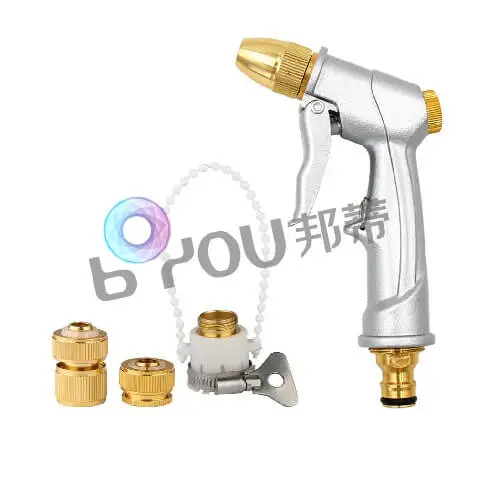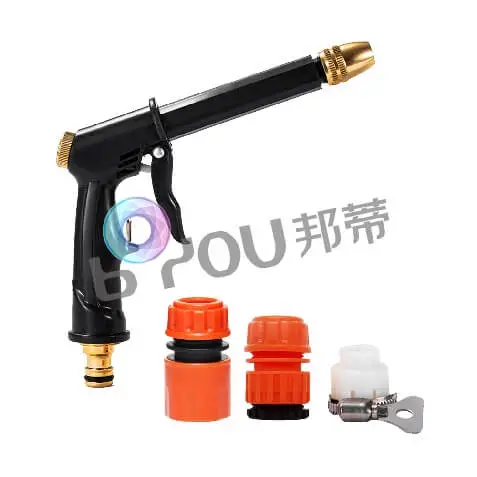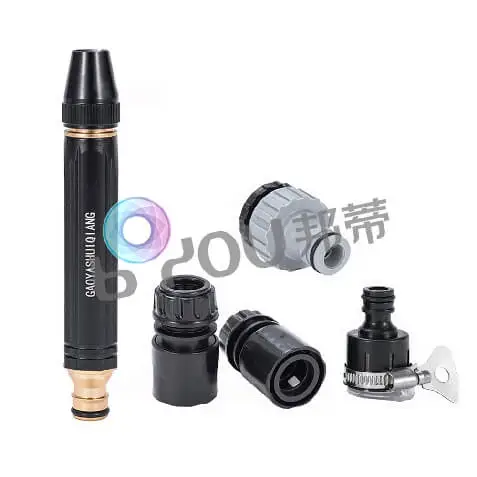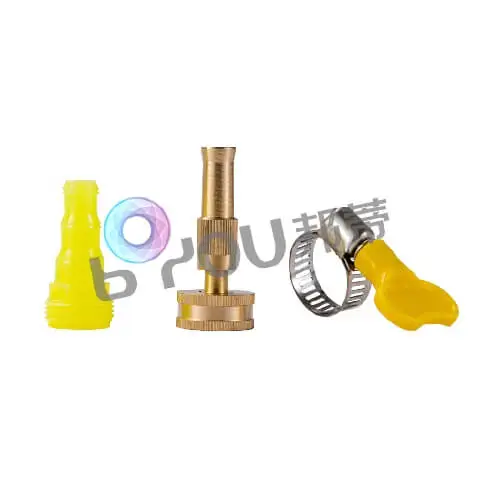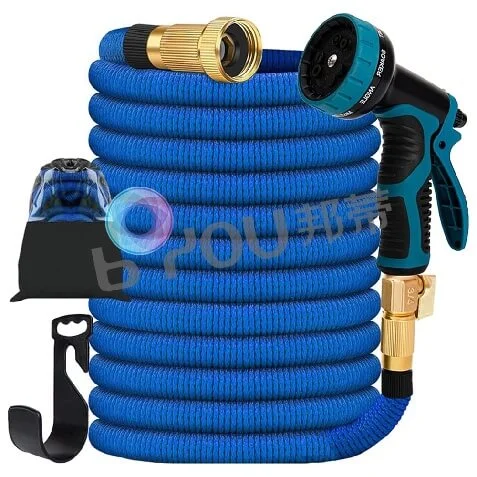
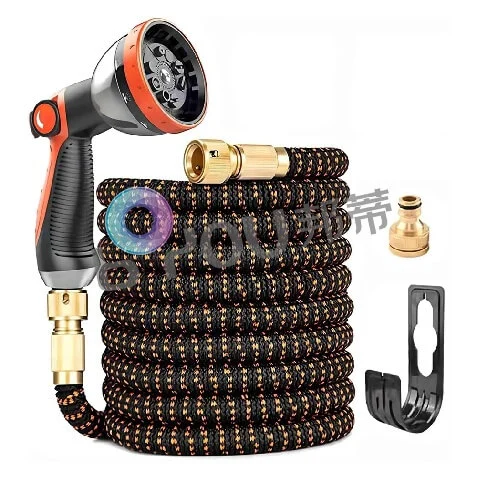
Expandable Garden Hose


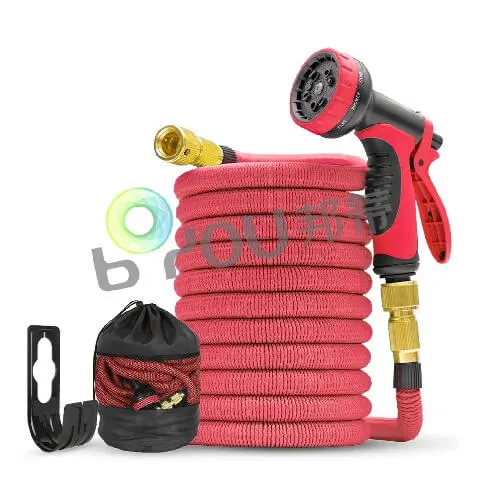
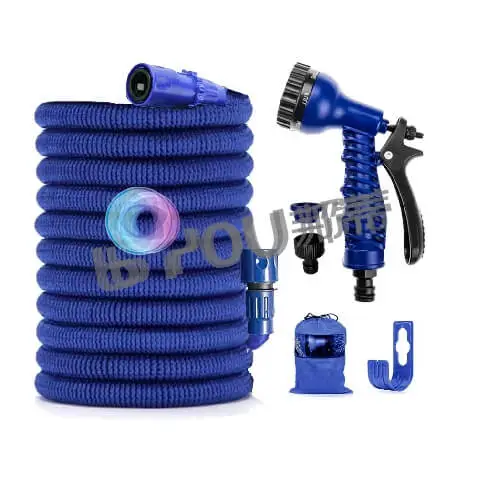
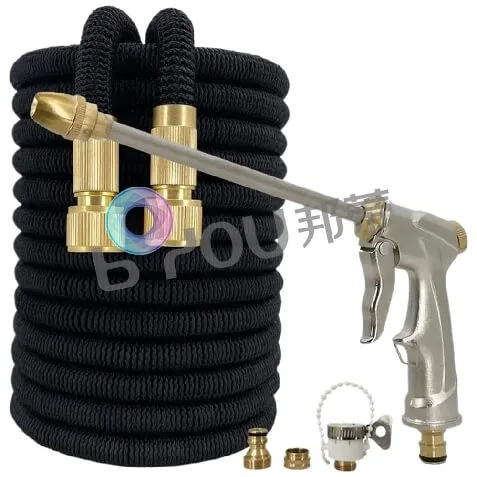
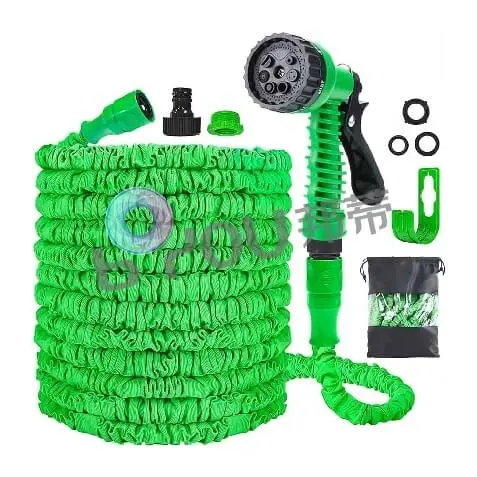
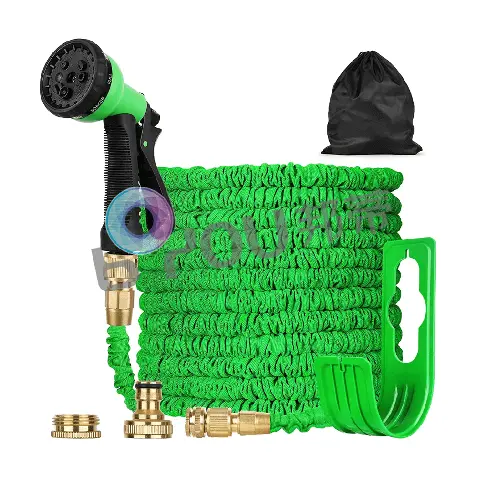
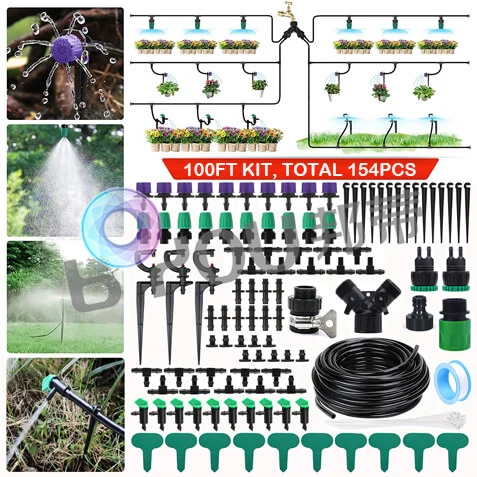
Drip Irrigation System Kit
Hard Garden Hose
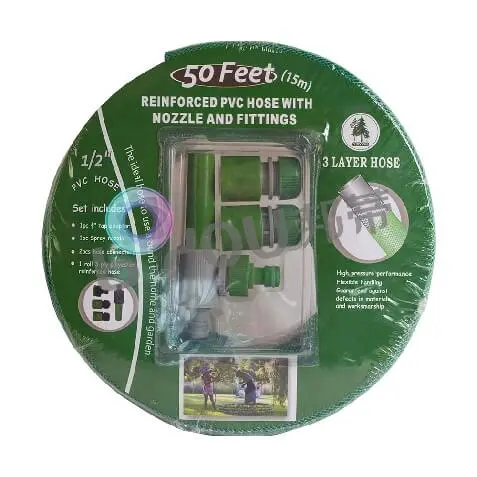
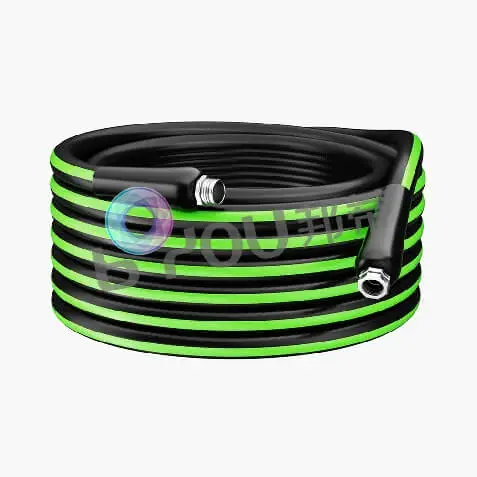
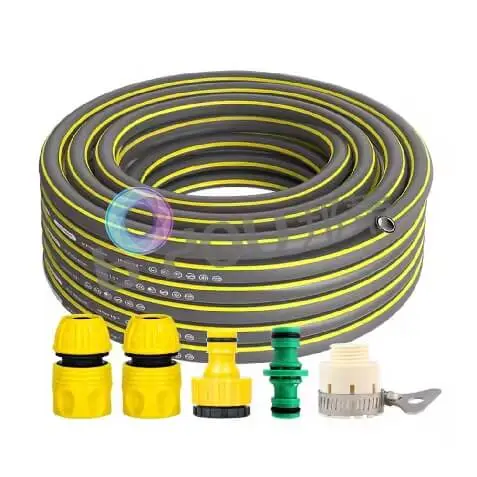
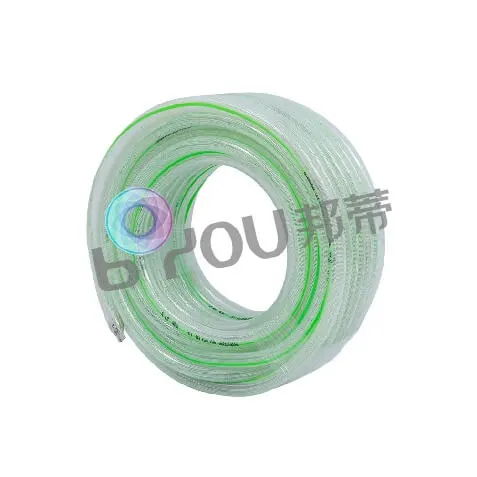
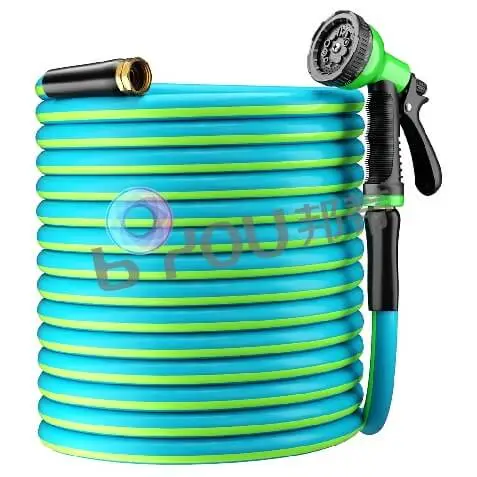
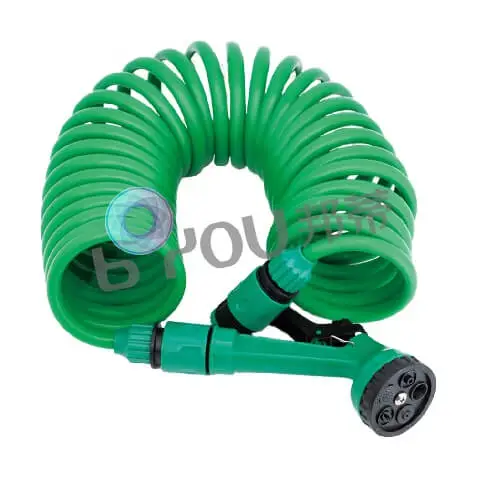
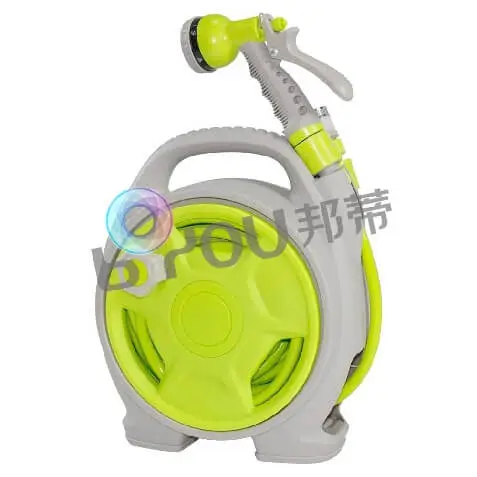
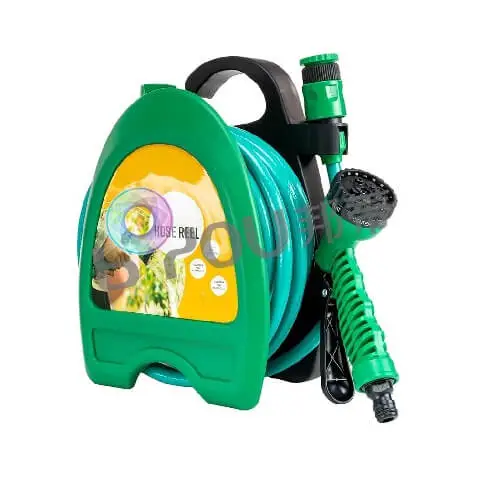
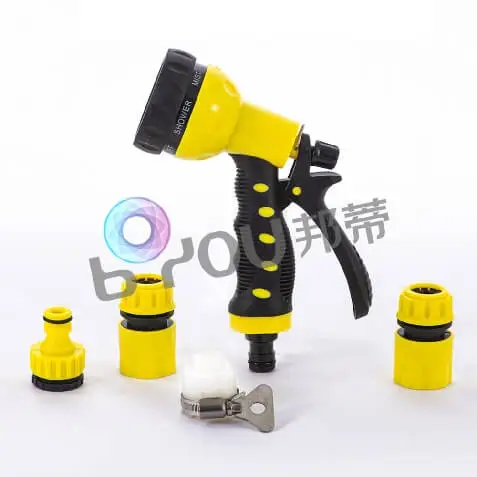
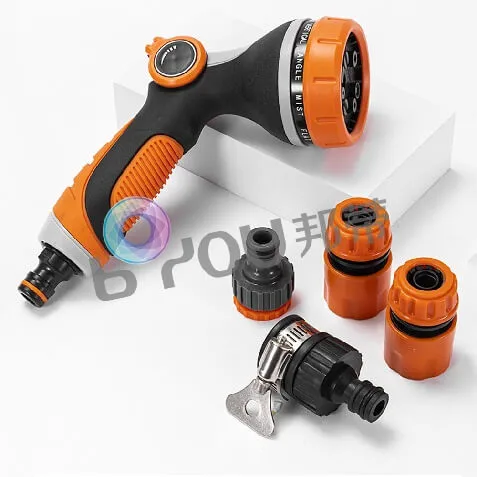
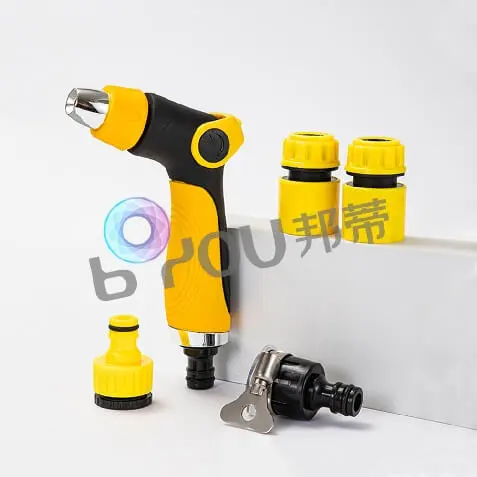
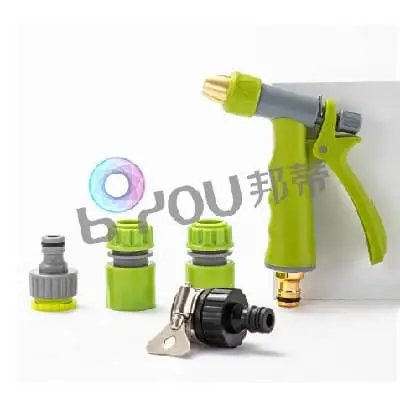
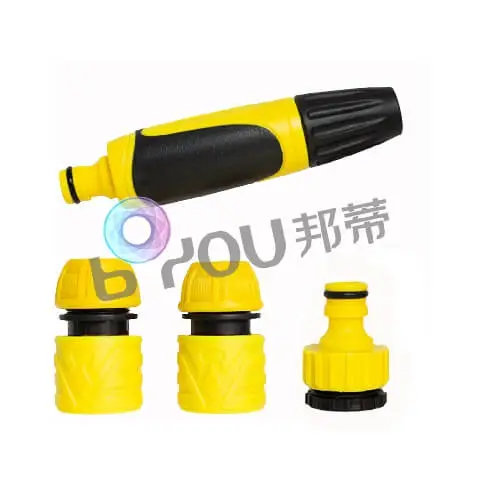
Multiple Accessories
In modern home gardening and outdoor cleaning, expandable garden water hoses have become an increasingly popular choice, which solved the pain points (such as being heavy and inconvenient to store) of traditional water hoses. This article is from our AI friends and Jane, who works in Pingyang Bangdi Electronic Technology Co., Ltd, an over 15-year experienced expandable hoses manufacturer in China.
Usually expandable garden hose adopts a double-layer structure design with the inner hose and outer polyester hose cover. The inner hose is made of high-elastic latex or TPE (thermoplastic elastomer) material, which has extremely strong extensibility and resilience. The outer hose cover is woven from polyester fibers, which serves to protect and restrict the excessive expansion of the inner hose.
When water flows through, the water pressure will cause the expandable garden hose to extend 3 TIMES its original length.
After turning off the water source, the internal water pressure disappears, and then the hose will automatically retract back.
Portability and convenient storage: The expandable garden hose automatically shrink back when not in use, occupying much less space than traditional hoses.
Lightweight design: Compared to heavy-duty traditional hoses, the extendable hose is significantly lighter, making it easier to move and use (especially for the elderly and women).
Versatile application: Equipped with various multi-mode nozzles (such as mist, jet, etc.), it suits different purposes, such as watering plants, washing cars, cleaning windows etc.
The expandable garden hoses are not perfect and also have some limitations:
Water pressure limitation: There are certain requirements for water pressure when working. The working water pressure usually needs to be at least 1.5kg/cm ² or above to expand normally. Both excessive high and low water pressure will affect the usage effect.
Jane suggested that too high water pressure (over 10-15bar) will cause the burst of the hose and drop out the connector parts. And too low water pressure is unable to make it expand entirely.
Maintenance requirements: It requires careful internal draining of water after use, in order to avoid bacterial growth and material corrosion. In winter, it is recommended to store water hoses indoors, preventing freezing and damage.




Amy Zhang
Tel: 0086-139-5892-2796
Email: amy@unionbooster.com