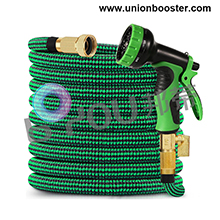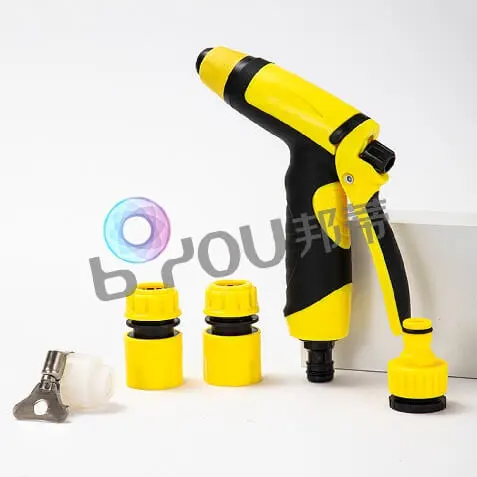
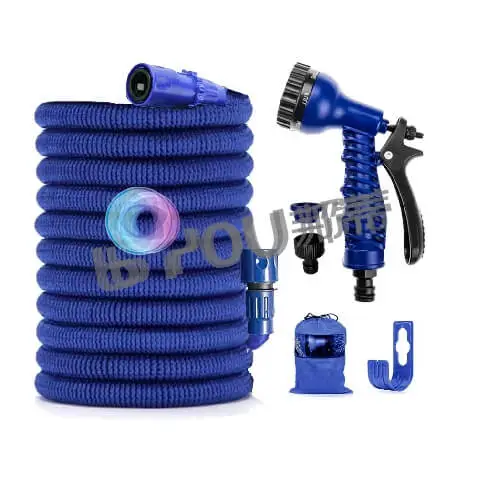
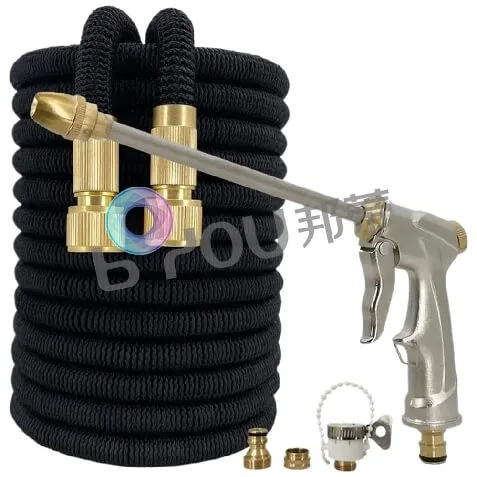
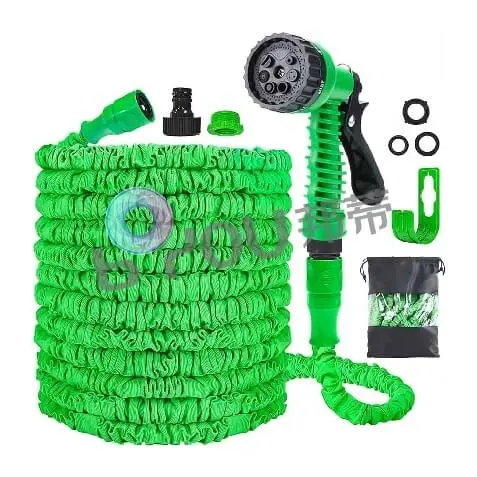
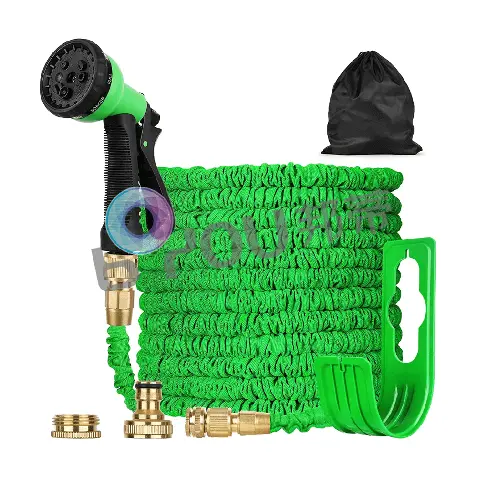
Expandable Garden Hose


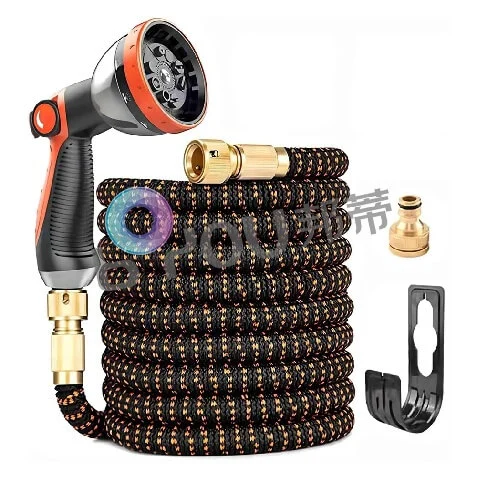
Drip Irrigation System Kit
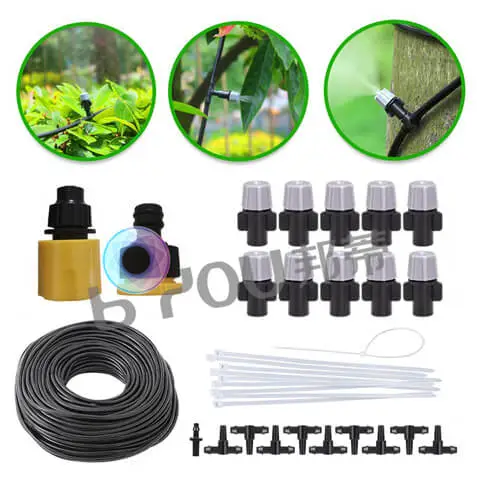
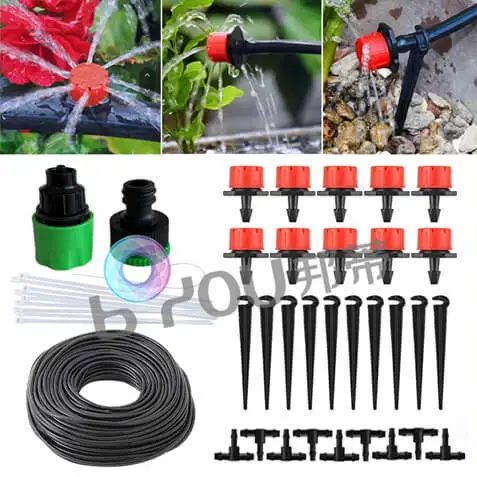
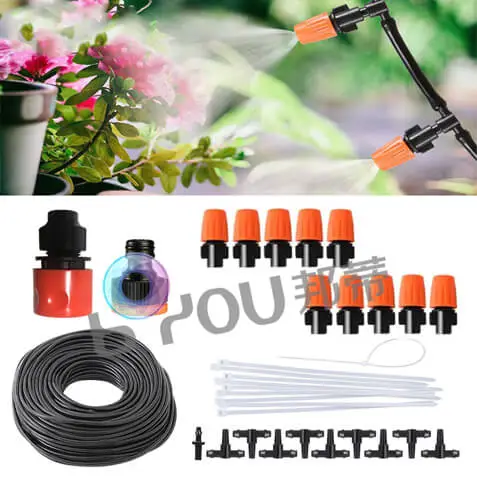
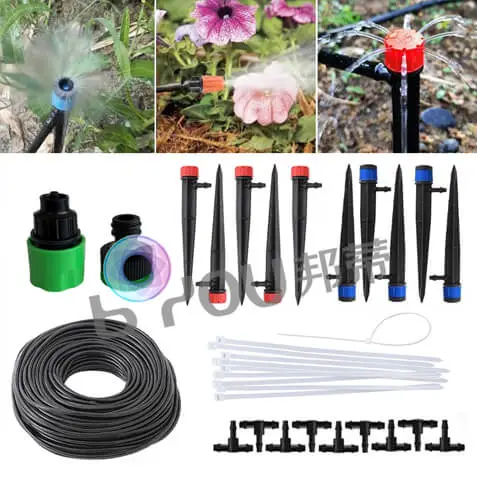
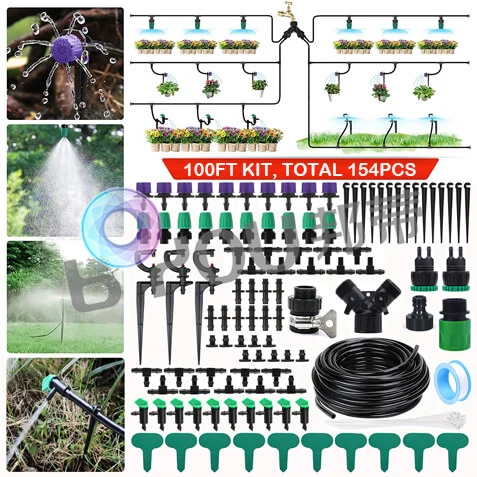
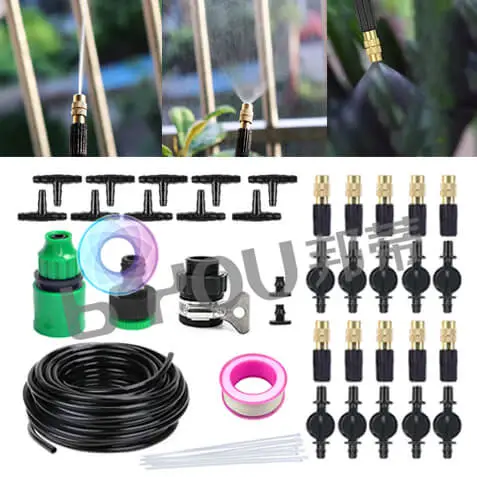
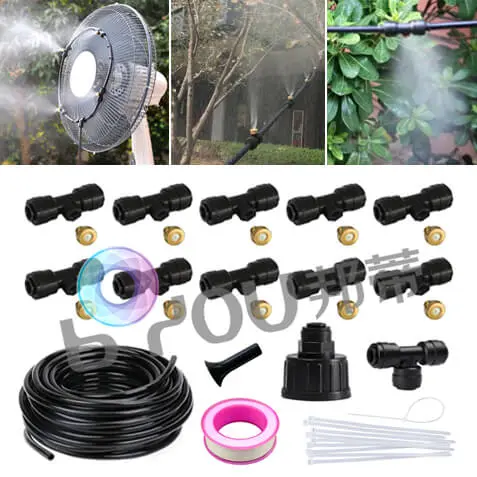
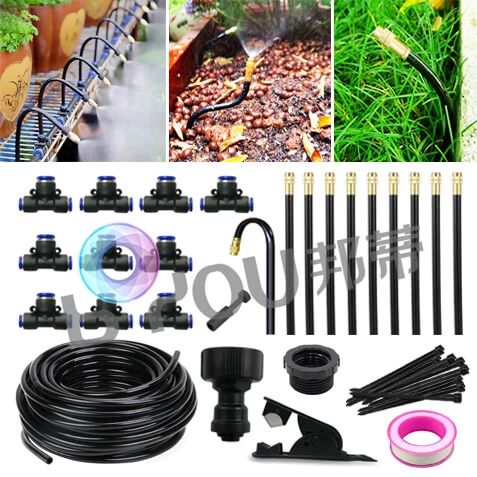
Hard Garden Hose
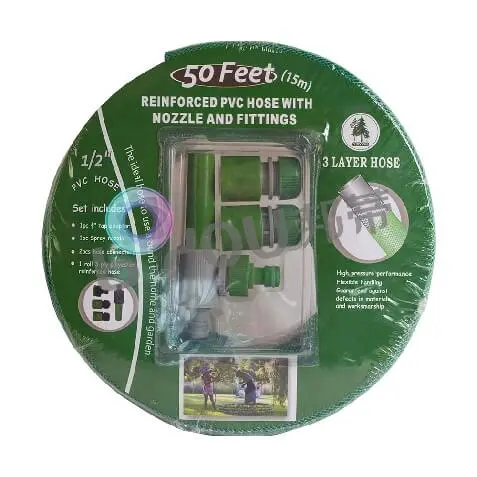
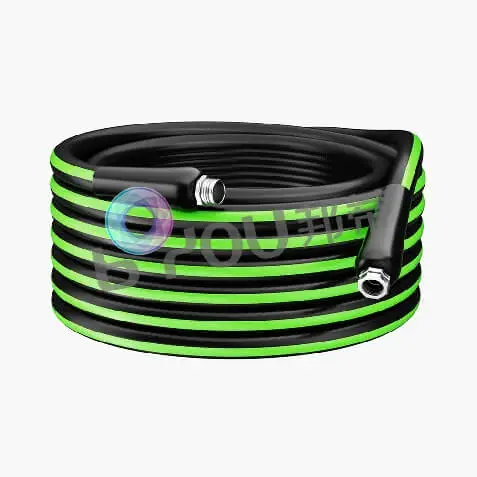
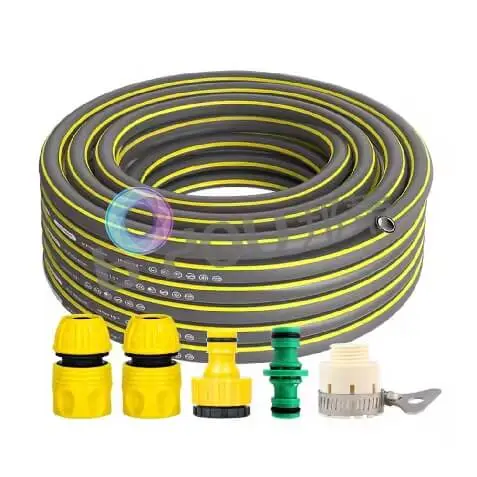
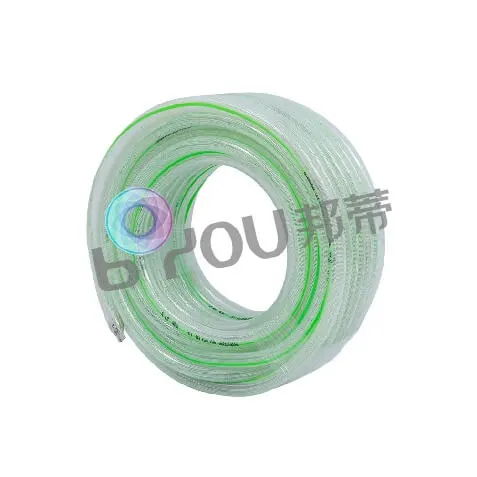
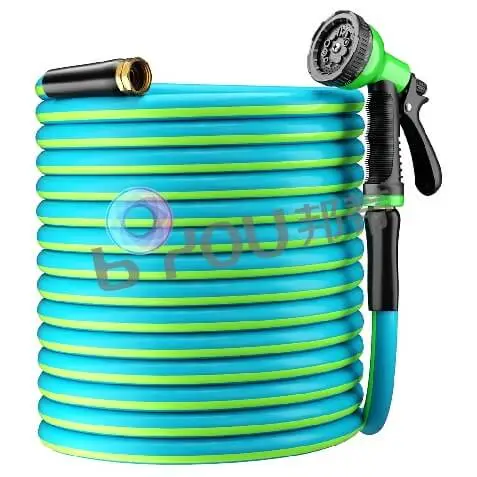
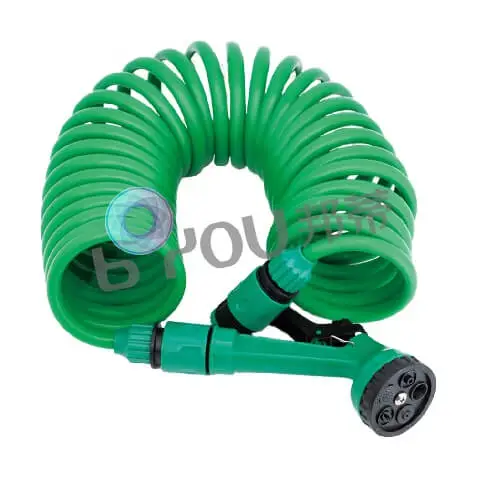
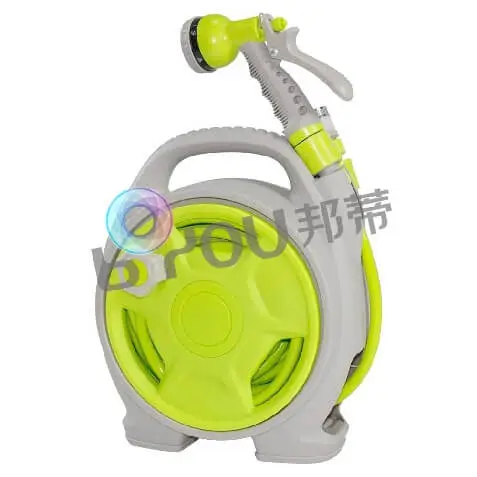
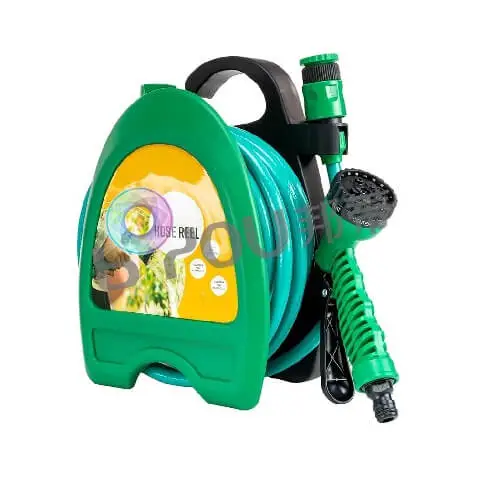
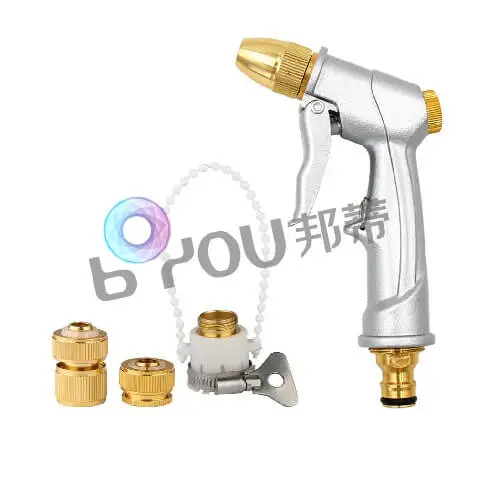
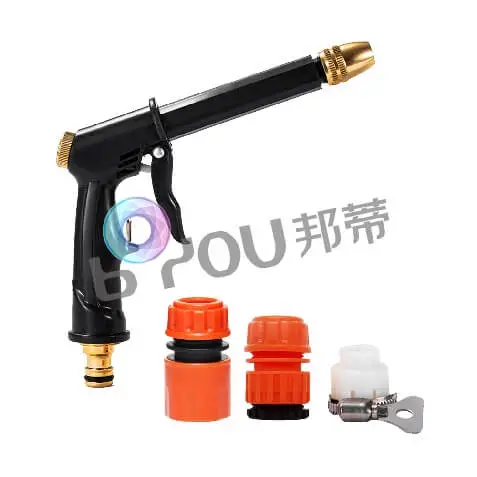
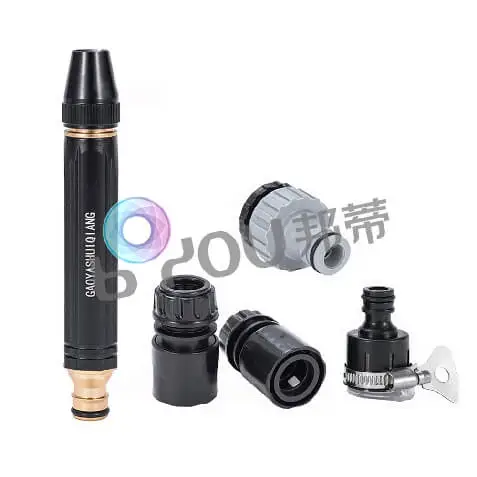
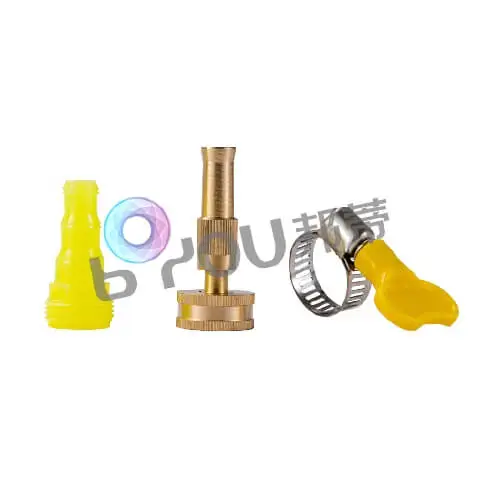
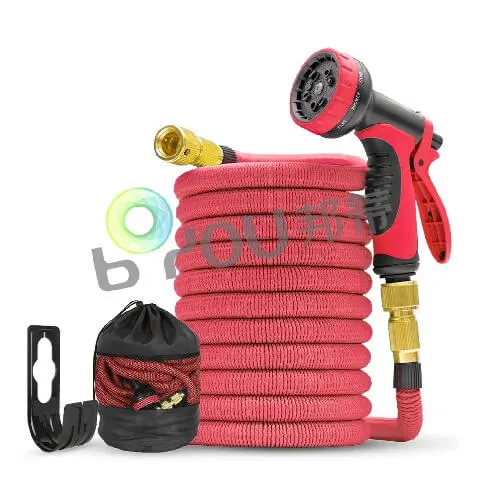
Multiple Accessories
Picking the right garden hose can feel like a small decision, but it makes a huge difference in how easy your outdoor chores are. Whether you're watering flowers or washing the car, understanding options like types, sizes, and materials helps you grab one that fits your needs without hassle. Let's break it down step by step.
Start by thinking about what you'll use it for – light watering or heavy-duty cleaning? Factor in your yard size, water pressure from the tap, and how often you'll drag it around. A good pick balances durability, flexibility, and flow rate so you don't end up frustrated mid-task.
Insight: Many folks overlook water pressure at home, which can make a 3/4-inch hose overkill if your setup only pushes 40 PSI – test yours first for smarter shopping.
Garden hoses come in all sorts, from basic ones for quick jobs to tough models for pros. You've got light-duty for small patios, heavy-duty for big lawns, soaker types that drip slowly for plants, and even expandable ones that shrink for storage. Each type shines in specific spots, like soakers saving water in gardens.
Here's a quick overview in table form:
Type | Best For | Key Features |
Light-Duty | Small areas, occasional use | Lightweight, affordable, often vinyl-made |
Heavy-Duty | Frequent tasks, larger yards | Reinforced for pressure, kink-resistant |
Soaker | Plant beds, efficient watering | Porous design for slow release |
Expandable | Space-saving storage | Stretches with water, compacts when empty |
Coil | Quick recoiling, no tangles | Spring-like shape, good for short reaches |
Rubber hoses are champs for toughness – they handle hot temps and rough ground without cracking. Vinyl ones? They're lighter and cheaper, great for basic stuff, but they might kink more and wear out faster in sun.
Insight: If you live in a cold climate, rubber stays flexible down to freezing temps, unlike vinyl which can get stiff and brittle.
Check this comparison chart:
· Rubber: Durable, flexible in extremes, heavier (around 10-15 lbs for 50 ft).
· Vinyl: Budget-friendly, lightweight (5-8 lbs), prone to UV damage.
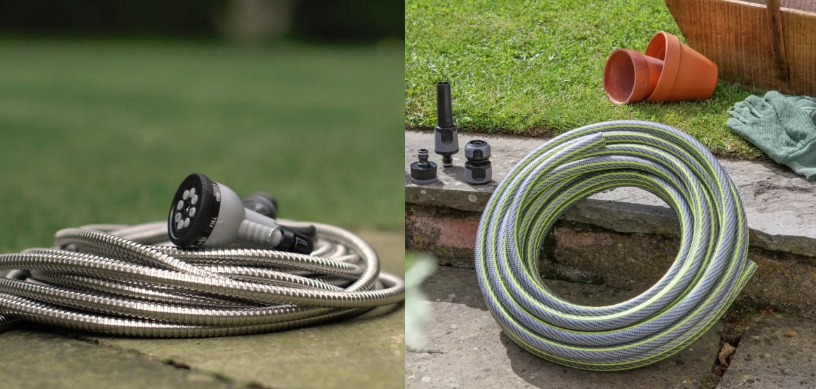
Stainless steel garden hoses ditch the bulk – they're super light and won't kink or tangle like rubber can. But rubber edges out in flexibility and grip, especially on wet grass. Steel's rust-proof, though, making it ideal for salty coastal areas.
A side-by-side look:
Aspect | Stainless Steel | Rubber |
Weight | Ultra-light (under 5 lbs) | Heavier but grippy |
Durability | Puncture-resistant | Flexible, absorbs shocks |
Cost | Higher upfront | More affordable |
Insight: For folks with mobility issues, steel's lightness cuts fatigue during long sessions.
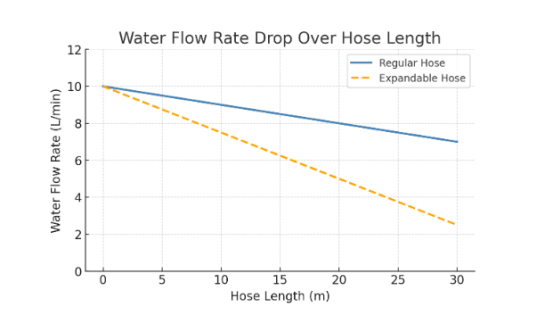
Expandable hoses are like magic – they grow three times longer with water and shrink back for easy stowing. Regular ones stay fixed-length, offering steady flow but taking up more space. Go expandable if storage is tight; stick to regular for high-pressure needs.
Insight: Expandables can lose some pressure at full stretch, so they're better for light watering than power washing. If you want to use a expandable hose to clean the floor, wash the car, etc., you can use it with a high-pressure water gun. Although the pressure is not as high as that of a hard pipe, it can perform the above purposes very well.
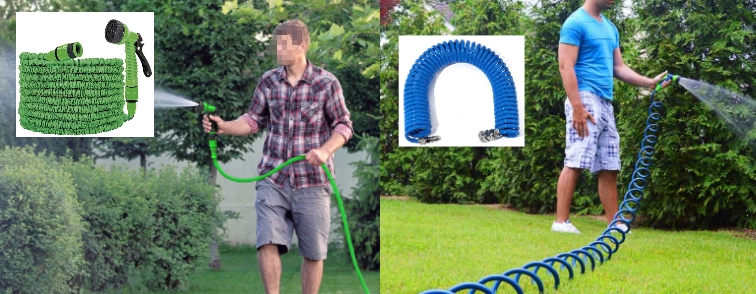
Coil hoses snap back into shape without water, perfect for no-fuss recoiling. Expandables need pressure to stretch but pack smaller. Coils win for quick jobs around the deck; expandables suit varying distances in the yard.
Quick pros/cons table:
Feature | Coil Hose | Expandable Hose |
Storage | Loops neatly | Shrinks compactly |
Ease of Use | Self-recoils | Water-activated |
Flow | Consistent | Varies with stretch |
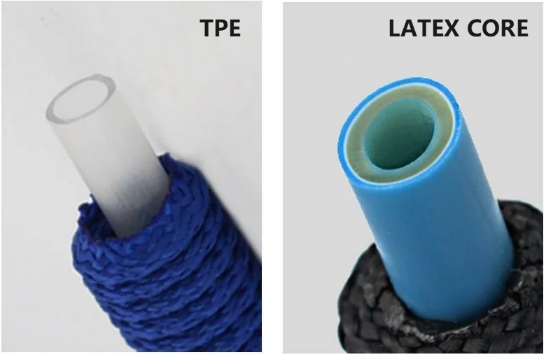
Latex is stretchy and natural-feeling, often in expandables for that bounce-back. TPE (thermoplastic elastomer) mimics it but resists chemicals better and lasts longer in UV light. Latex might trigger allergies, while TPE's eco-friendlier in some cases.
Insight: TPE hoses often handle higher burst pressures, up to 300 PSI, making them safer for variable home systems.
Sizes matter for flow – 1/2-inch is slim for low-pressure spots, 5/8-inch balances most home uses, and 3/4-inch blasts water for big jobs. Measure diameter inside the hose; mm equivalents: 1/2" ≈ 12.7mm, 5/8" ≈ 15.9mm, 3/4" ≈ 19mm.
On pressure: 5/8 vs 3/4? The wider one pushes more volume, but check your PSI – higher diameter means less drop over distance.
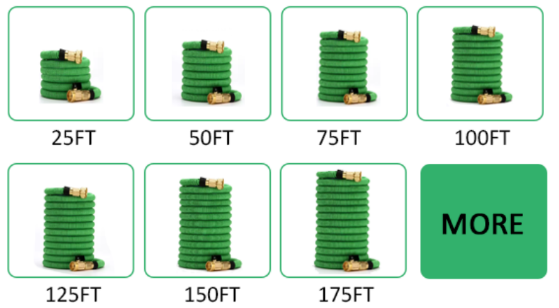
Common lengths hit 25, 50, 75, or 100 feet – pick based on your space to avoid excess dragging. Shorter ones are lighter; longer need kink guards.
Insight: Rather than connecting two long water pipes together, it will be better to directly purchase a water pipe that is long enough to ensure water flow.
Standard fittings are 3/4-inch GHT (garden hose thread) – male on one end, female on the other. Brass lasts longer than plastic against corrosion.
Thread size: 11.5 threads per inch, universal in the US.
Keep your hose happy: Drain after use, store coiled loosely indoors, avoid sun exposure. Fix kinks early to prevent bursts.
Step-by-step:
1. Rinse off dirt.
2. Coil without twists.
3. Hang in shade.
4. Inspect fittings yearly.
Insight: Proper storage can add years – coiled flat prevents creases that weaken walls.
How do I choose the right garden hose for my yard size?
Measure your farthest point from the tap and add 10% for maneuverability – a 50-foot one works for average lots.
What's better, 1/2 or 5/8 garden hose for everyday watering?
5/8-inch gives better flow without much extra weight, ideal unless your pressure's super low.
Is a zero-G hose better than a regular hose for storage?
Yeah, zero-G types are lightweight and kink-free, beating regulars if space is premium.
Which is better, 5/8 or 3/4 garden hose for high-pressure tasks?
3/4-inch handles more volume, perfect for sprinklers or washing, but 5/8 suffices for most homes.
What's the difference between expandable vs non-expandable garden hose?
Non-expandables offer consistent pressure; expandables save space but might leak if overstretched.
How to measure a garden hose diameter accurately?
Use a caliper on the inside opening – common sizes are 1/2" (12mm), 5/8" (16mm), or 3/4" (19mm).
Standard garden hose fitting size for US homes?
Most are 3/4-inch GHT, ensuring compatibility with taps and nozzles.
Garden hose diameter in mm for international compatibility?
1/2" is about 12.7mm, 5/8" around 15.9mm – check local standards.
5/8 vs 3/4 hose pressure differences?
Wider 3/4 maintains higher PSI over length, dropping less than 5/8 for distant spots.
Types of hose pipe for vegetable gardens?
Soakers or drip types prevent leaf wetting, reducing disease risk.
What type of hose is best for car washing?
Heavy-duty rubber with a nozzle for controlled spray and durability.
Expanding hose vs normal for small balconies?
Expanding wins for compact storage in tight spaces.
Expanding vs non-expanding garden hose durability?
Non-expanding often lasts longer with heavy use, less prone to bursts.
TPE material vs latex in expandable hoses?
TPE resists weathering better; latex stretches more naturally but degrades faster.
Different types of water hoses for pressure washers?
High-burst rated, like 3/4-inch heavy-duty with reinforced braiding.
· Wikipedia: Garden hose article covers standard diameters and thread sizes used in residential settings.
· Consumer Reports: Evaluations on hose materials highlight rubber's edge in cold weather flexibility.
· The Spruce: Guides on types emphasize soaker hoses for water conservation.
· Family Handyman: Comparisons note stainless steel's puncture resistance over traditional options.
· Good Housekeeping: Testing shows expandable hoses' space-saving benefits.
· Homes & Gardens: Data on flow rates for different diameters.
· Bob Vila: Insights into maintenance practices for longevity.
· Popular Mechanics: Material breakdowns discuss TPE's chemical resistance.
· Gardening Know How: Usage scenarios for various hose lengths.
· This Old House: Fittings standards and compatibility tips.




Amy Zhang
Tel: 0086-139-5892-2796
Email: amy@unionbooster.com