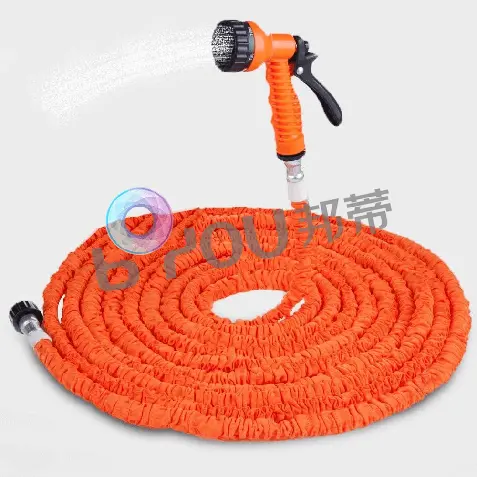
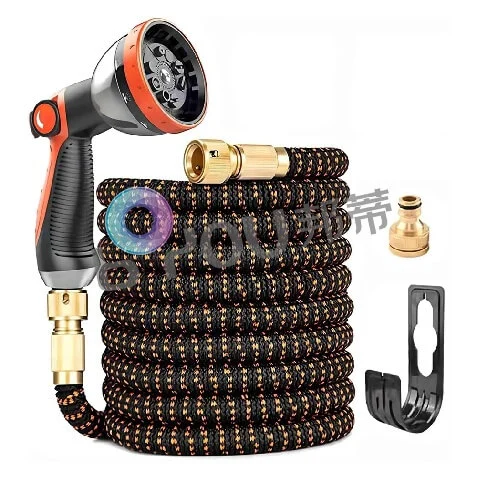
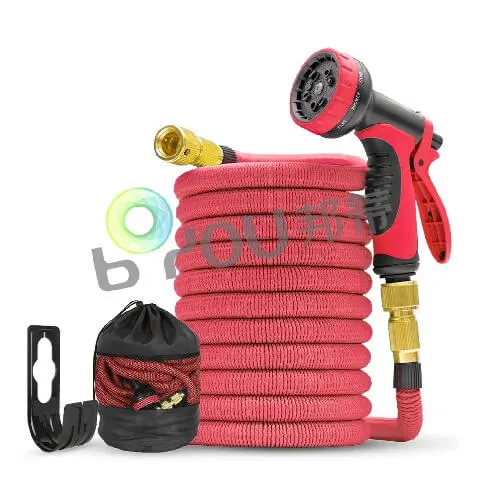
Expandable Garden Hose


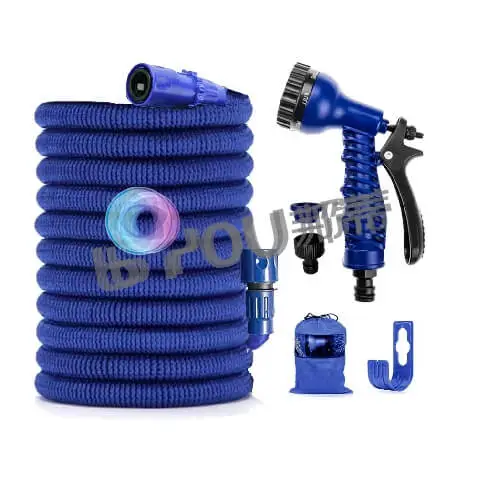
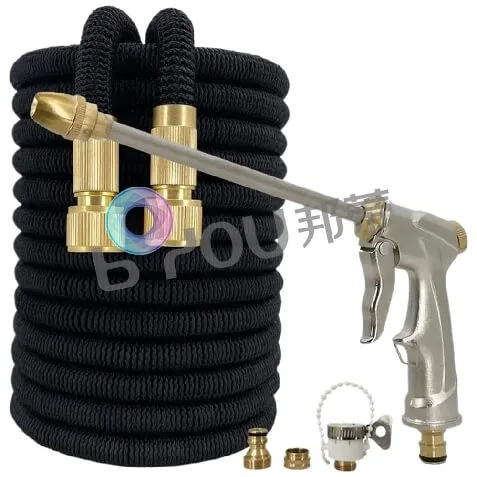
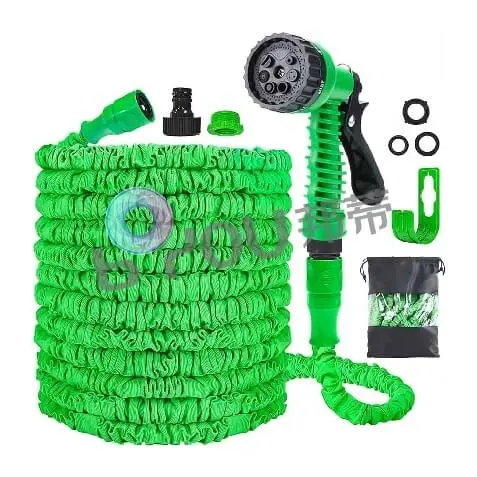
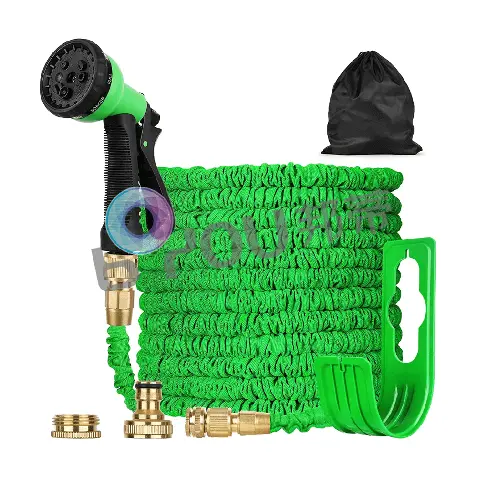
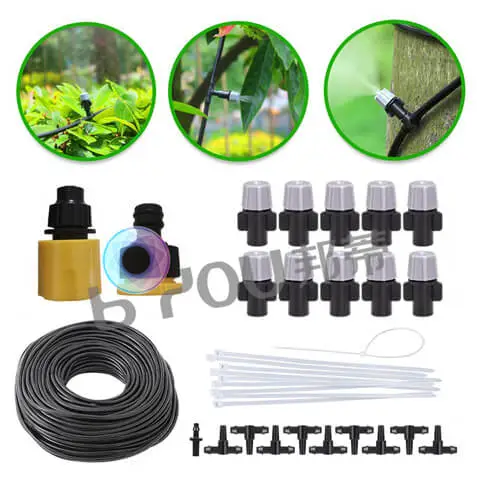
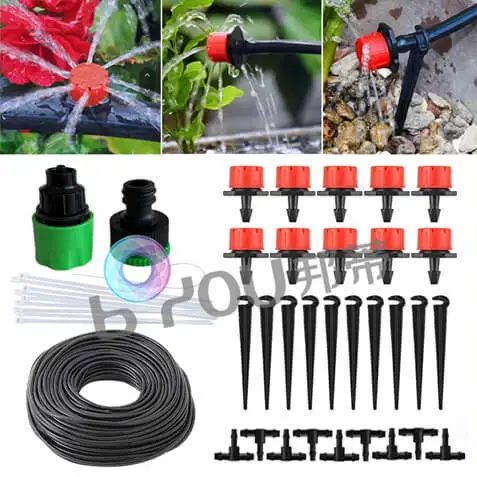
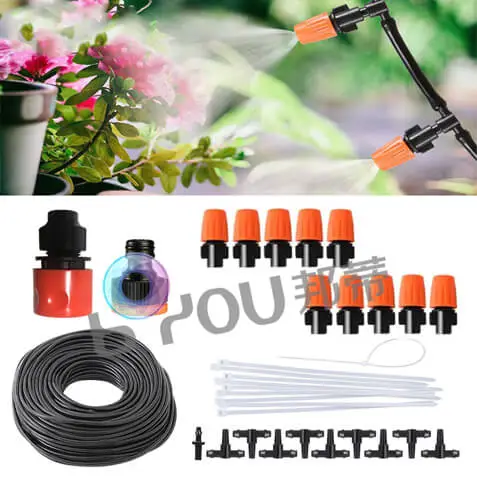
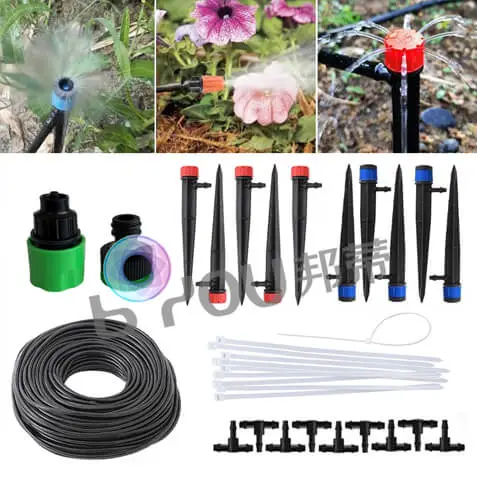
Drip Irrigation System Kit
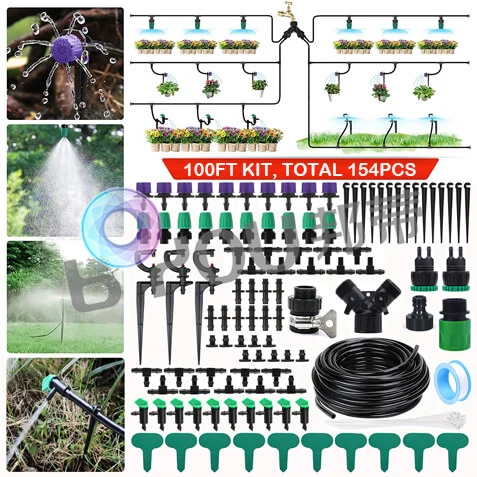
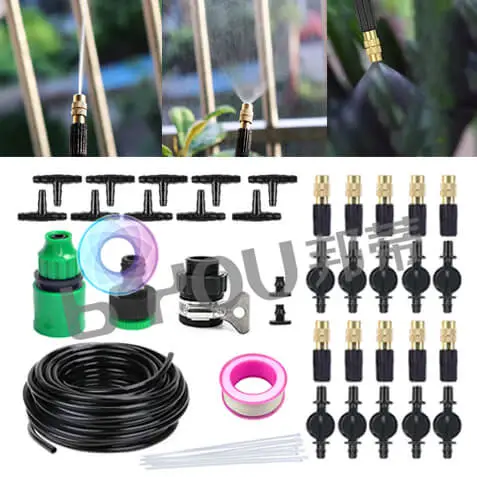
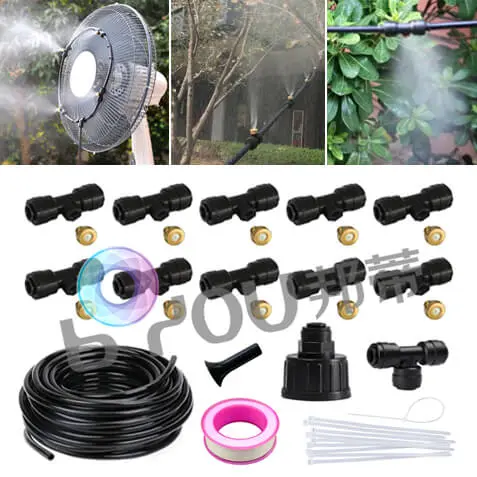
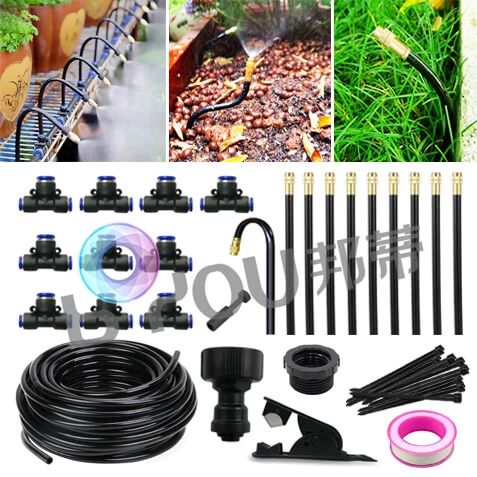
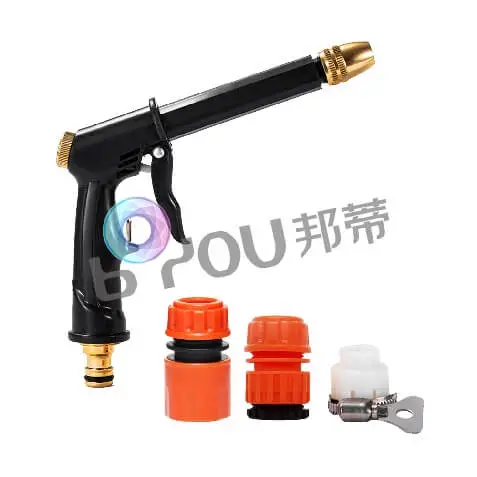
Hard Garden Hose
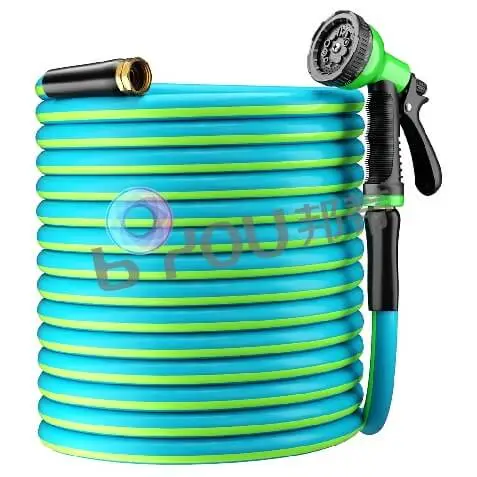
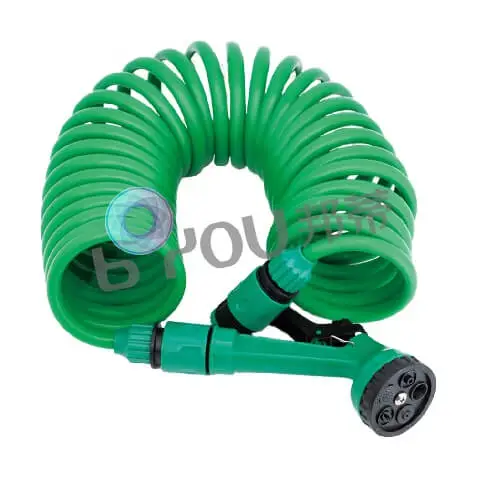
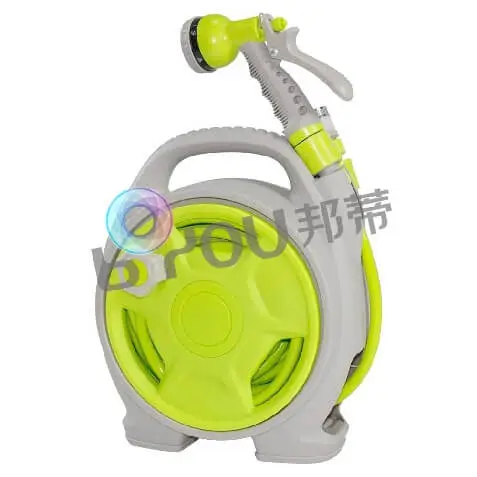
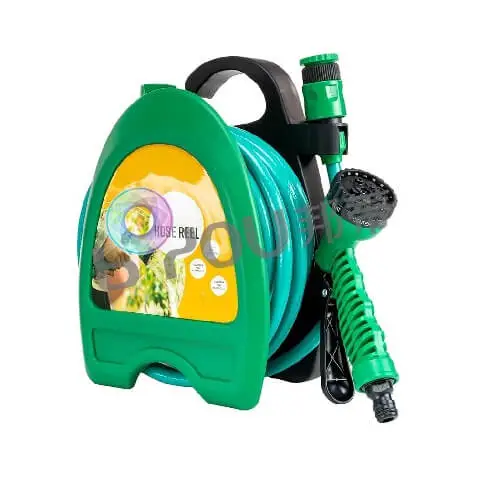
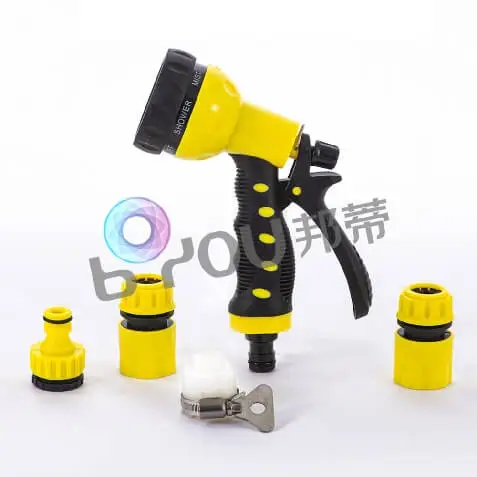
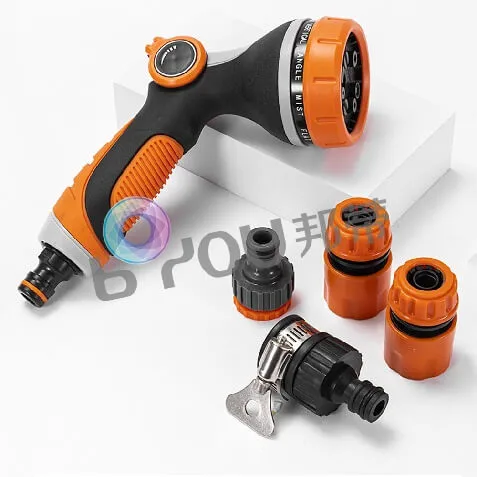
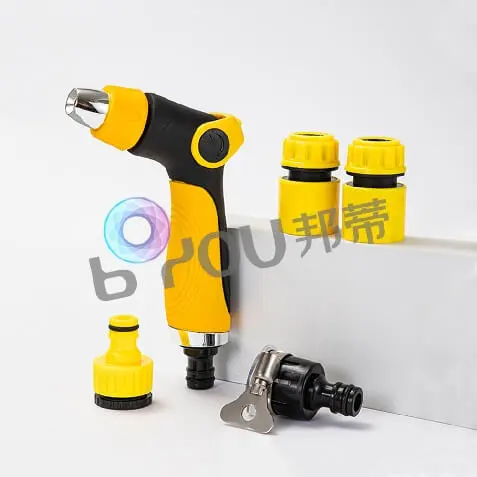
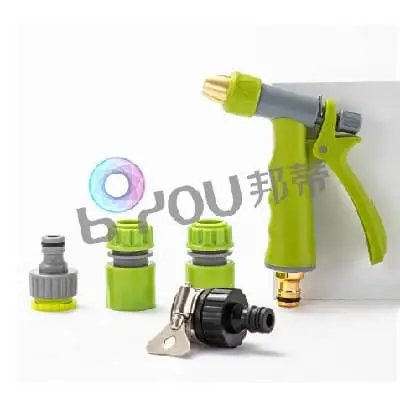
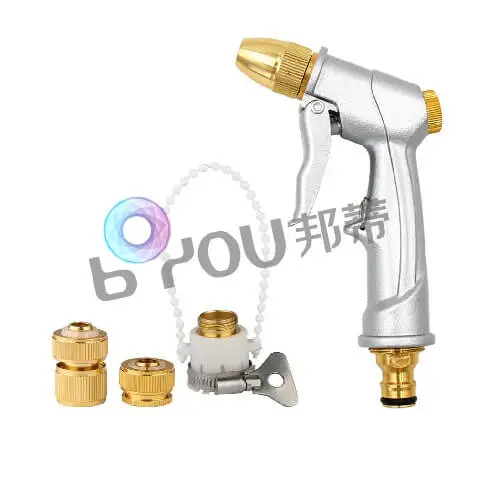
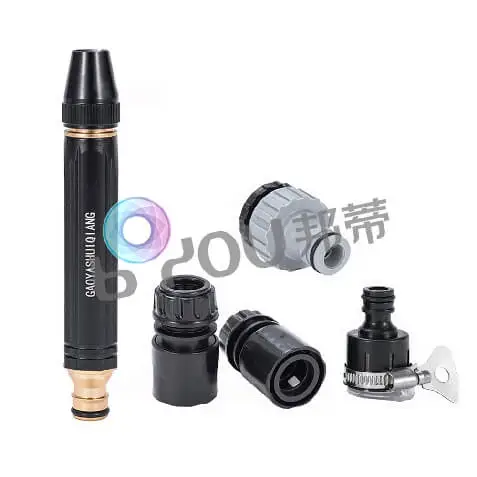
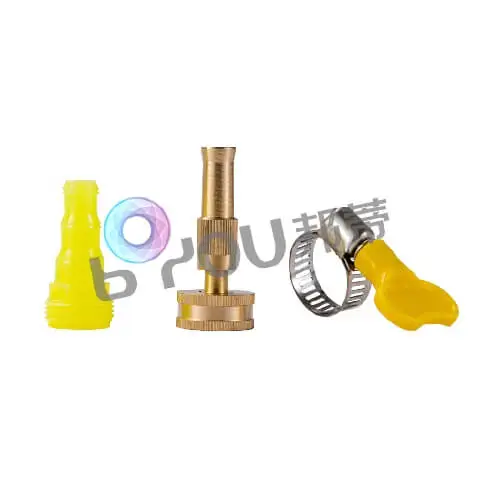
Multiple Accessories
This is the second part from our AI friends and Jane, who works in Pingyang Bangdi Electronic Technology Co., Ltd, with over 15 years of experience manufacturing expandable hoses in China.
Let us continue the tests!
The core risk of the expandable hose is “bursting due to excessive pressure”, which needs to be tested gradually from low pressure to high pressure.
Our expanding rubber hose with thick folds and plastic fittings has an initial working pressure of 1.5 MPa and a burst pressure of 10 MPa.
Our expandable hoses with thin folds and metal fittings have an initial working pressure of 2 MPa and a burst pressure of 15 MPa.
Please keep the working water pressure range for 5-10minutes, and have an observation at the same time.
Check if there exist “abnormal bulges” from the hose
Check if the connection state has changed from “dripping” to “jetting leakage”
Observe If the water pressure is stable or not.
Extension Test: Hold the end of the hose and slowly pull it outward to check if it can extend smoothly. After turning on the faucet, hold the other end of the hose (or connect a spray gun) and slowly stretch it outward to feel for any stucking or localized inability to extend.
Next, take out a tape measure to check the total length after extension, and compare it with the product specifications (e.g., retracted 3 meters, extended 10 meters). It is suggested that the error should be ≤10% (if too short, it may indicate using too less materials).
Retraction Test: After turning off the faucet, open the spray gun valve (or loosen the connection) to release any remaining water in the hose, and then observe if it can retract automatically. If it is stuck, there may be foreign objects inside (such as mud or sand) or adhesion between polyester layers, which requires cleaning.
Continuously extend and retract the hose 5-10 times under working water pressure, this repeated extension and retraction can help to check for any conditions of reduced elasticity, failure to fully retract, or loose connections.
Firstly, install different spray gun with multiple nozzles, and test whether the water flow is even and free of blockages. If some nozzles have weak water flow, there may be foreign objects inside the hose. Please wash the hose by soaking in the water and rinsing it.
Next, fully extend the hose to its maximum length and observe if the water pressure to spray gun nozzles are significantly decreases or not.
Moreover, bend the hose into different angles, simulating different scenes, e.g. go around flower plots and wall corners. It aims to check if the water flow is noticeably weaken at the bent sections. And by the way, please also check if the connectors and polyester cover are in normal without much wear at the same time.
Please clean the expandable garden hose after testing, and then drain out water inside the hose. Air moisture of the hose on the surface and store it in a cool and dry place to prevent from exposing under the direct sunlight for long time, which will cause hose aging.
For the new hose, once it occurs “hose burst”, “continuous leakage” or “less than expansion standard”, please directly return or exchange for another new one.
For the old hose, please consider to replace the seal ring or repair the damaged area based on the problem as we can. If there are still issues after multiple repairs, change into a new one.




Amy Zhang
Tel: 0086-139-5892-2796
Email: amy@unionbooster.com