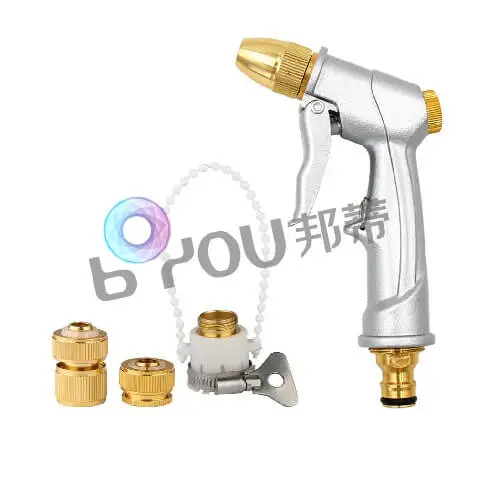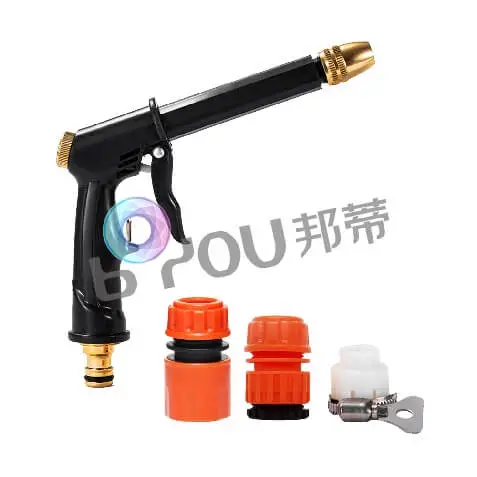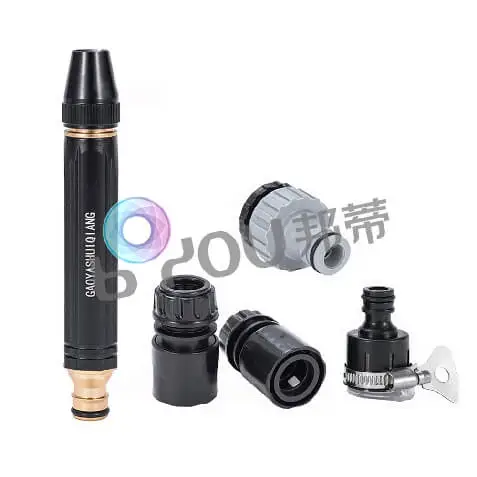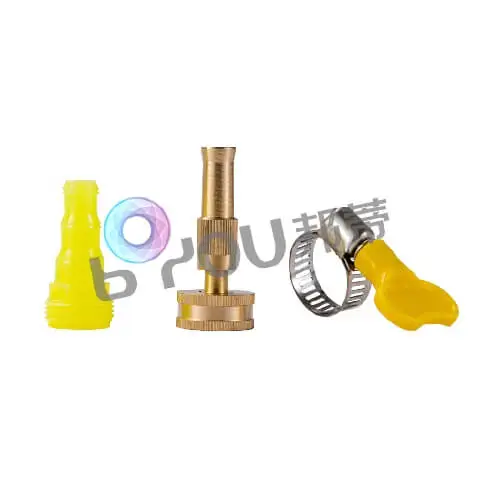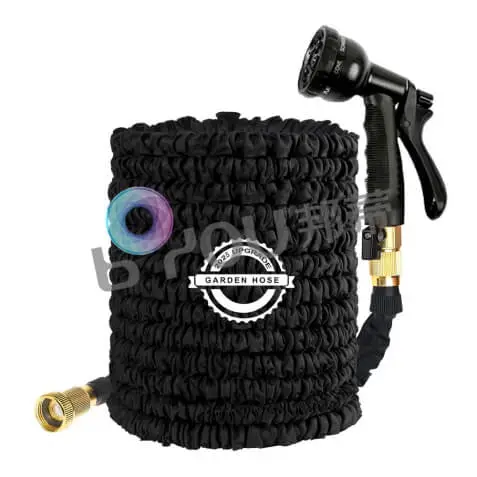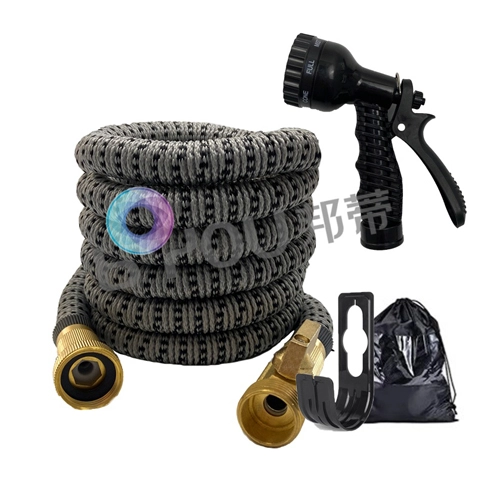
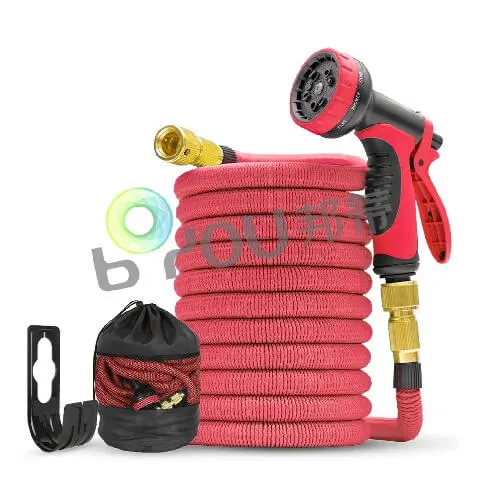
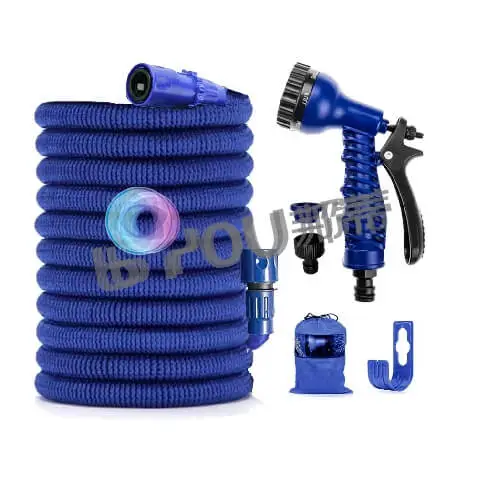
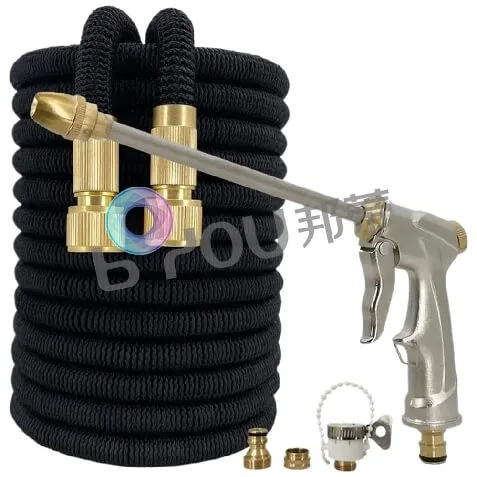
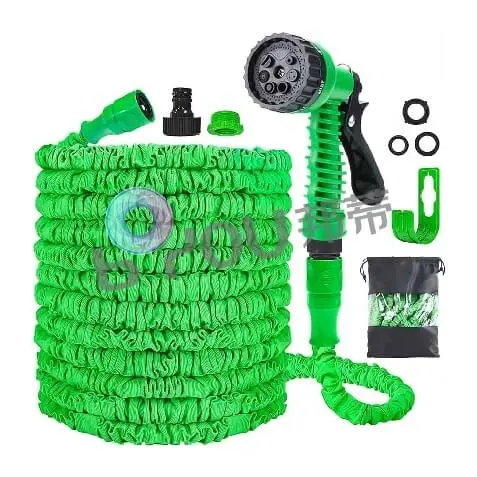
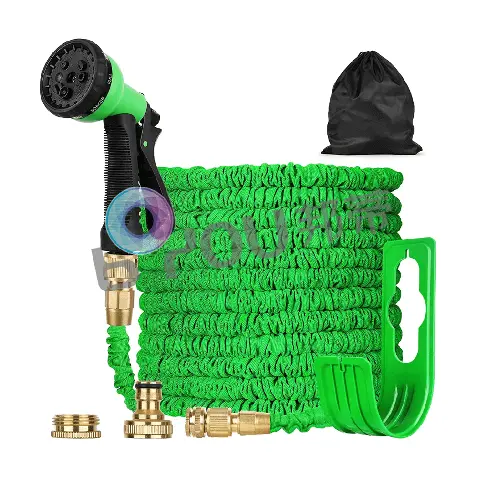
Expandable Garden Hose


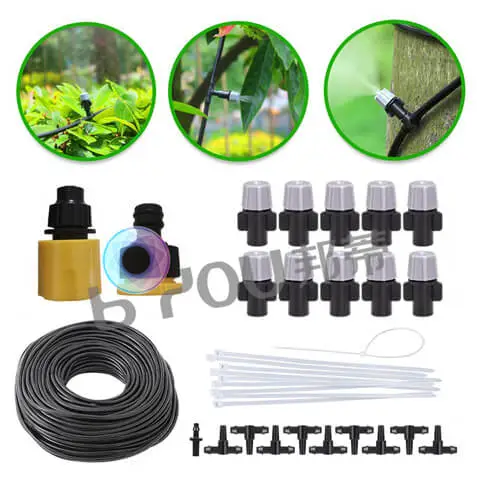
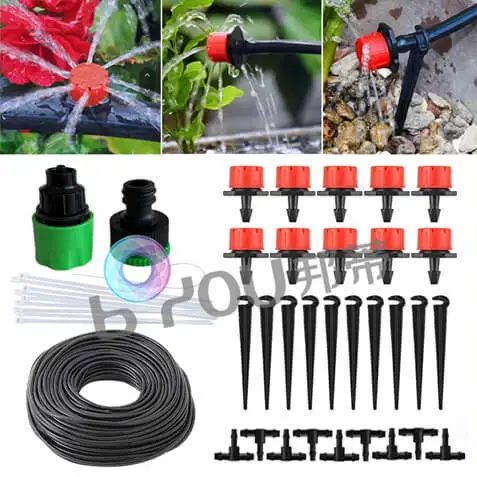
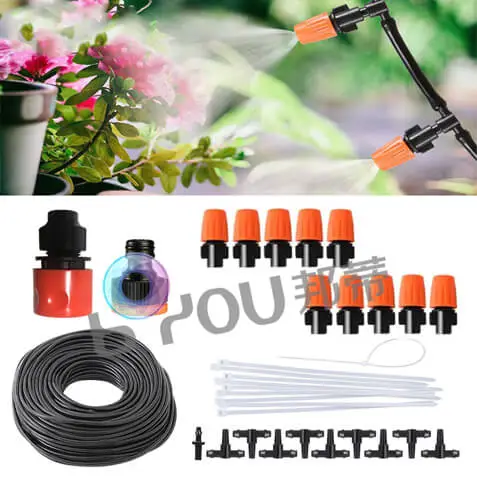
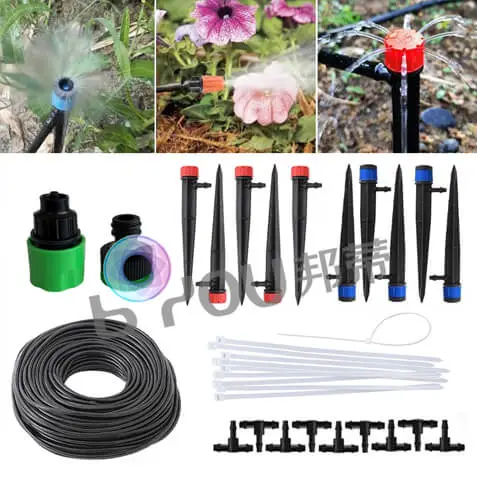
Drip Irrigation System Kit
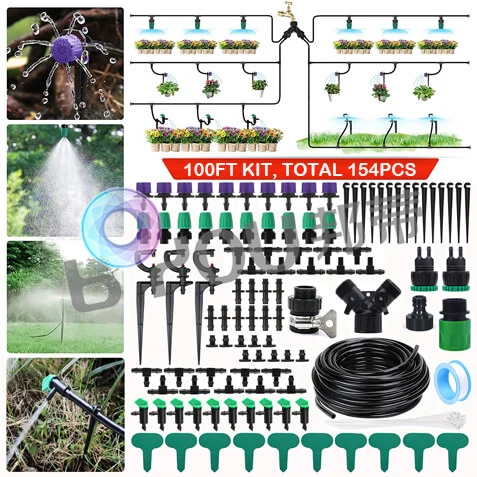
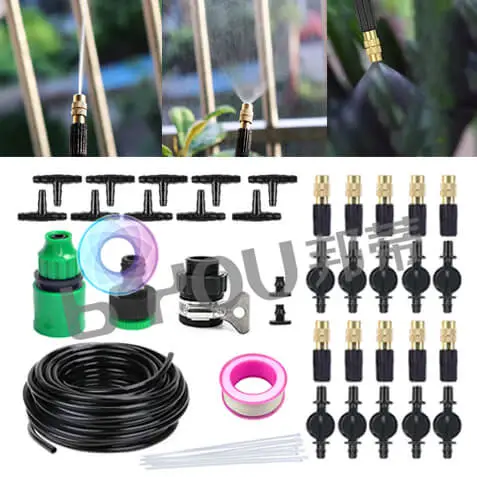
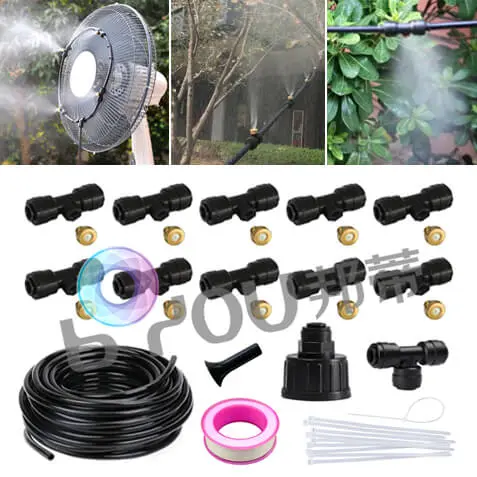
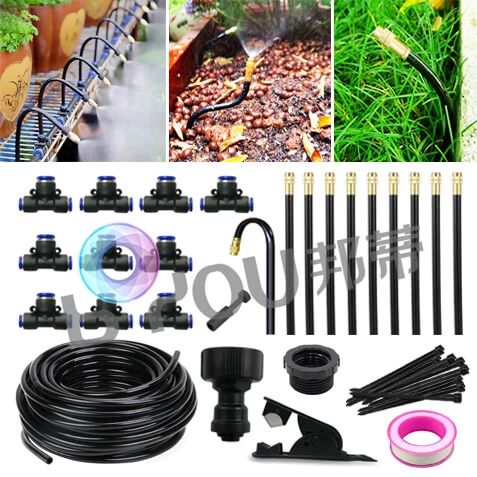
Hard Garden Hose
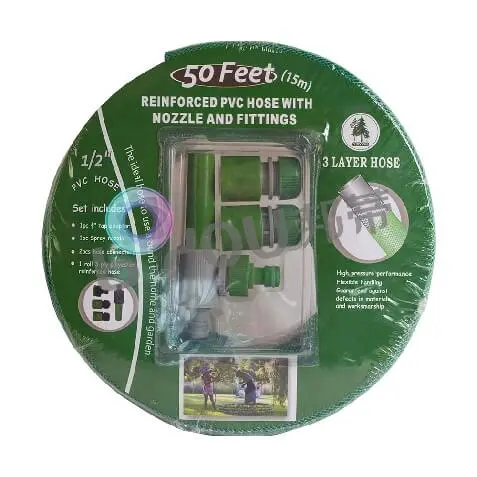
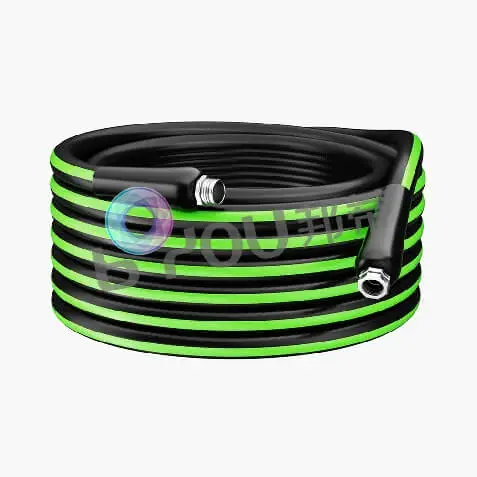
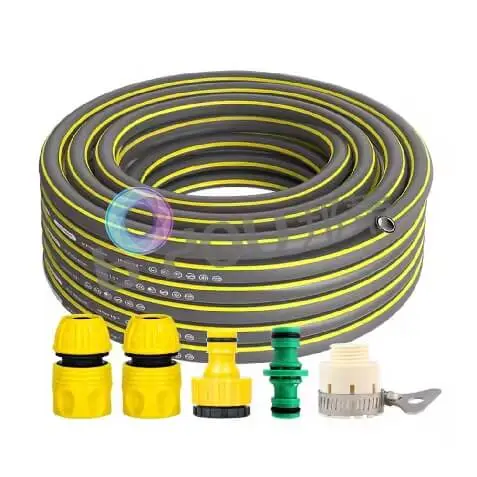
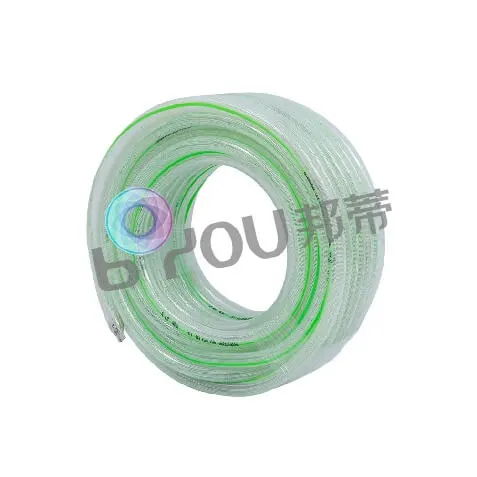
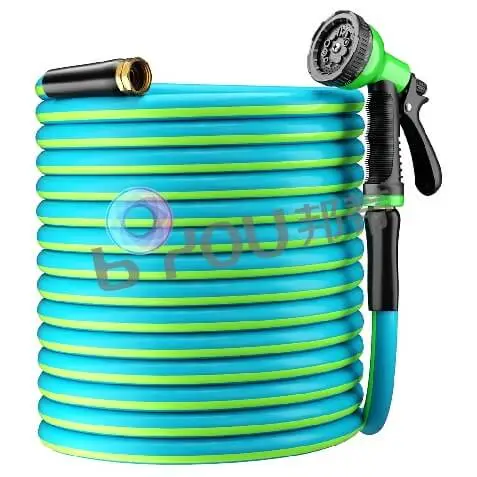
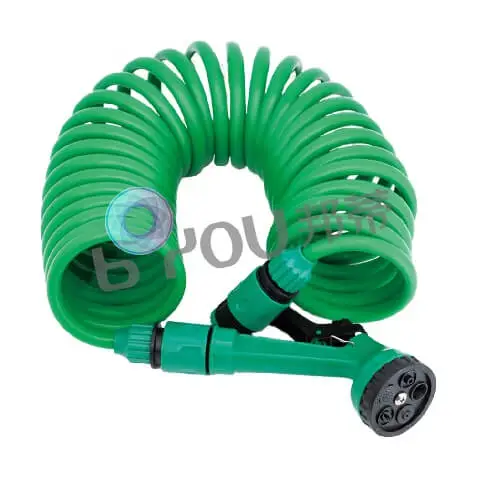
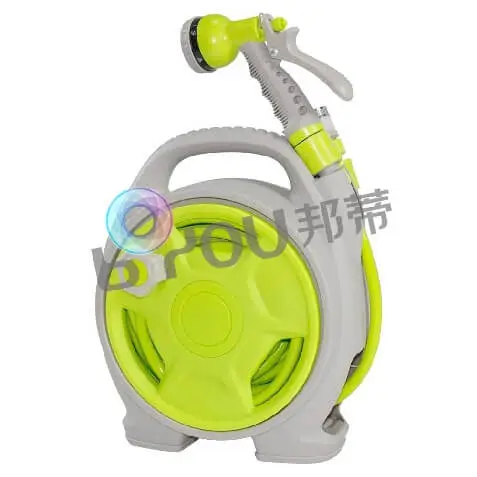
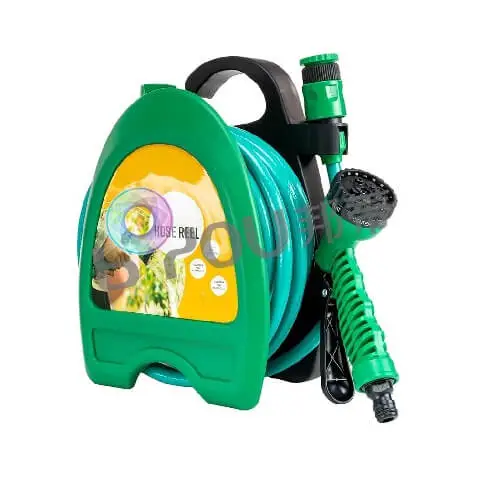
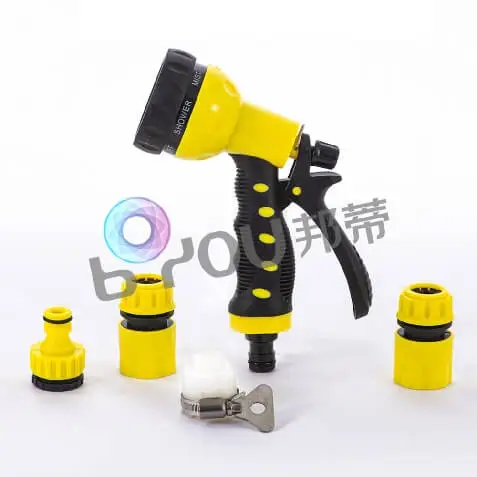
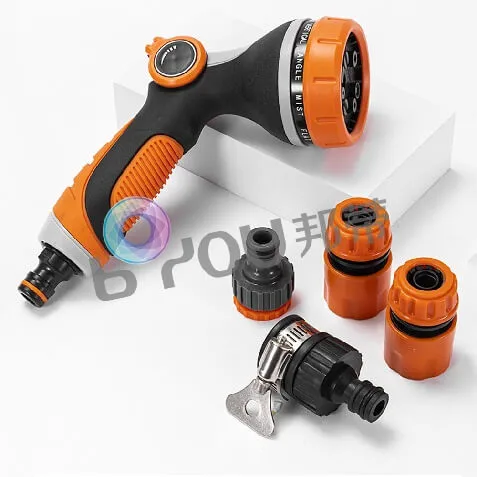
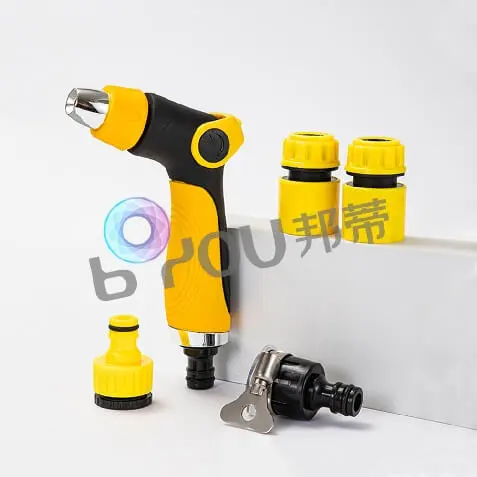
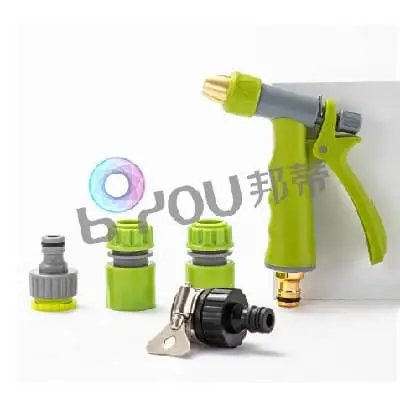
Multiple Accessories
This is the first part of sharing how to test expandable garden hoses from our AI friends and Jane, who works in Pingyang Bangdi Electronic Technology Co., Ltd, an over 15-year experienced expandable hoses manufacturer in China.
Please prepare residential faucet (with standard interface, such as 1/2” or 3/4” interfaces or universal adapters) , tape measure for length, water pressure gauge, bucket+thermometer, fridge for temperature before starting tests.
And for the test environment, please try to be in a flat, obstacle-free ground, such as lawn and concrete floor, preventing the expanding rubber hose from being scratched during checking. It is better to have tests under 15℃-30℃ to avoid the errors caused by temperature.
First of all, check if the package is undamaged and all fine. After opening the package, please find and read the instruction if have. Different hoses with different configurations have specific usage requirements, such as max water pressure and temperature range.
Secondly, take out the hose completely (without running water) and inspect it carefully under natural state. Please observe if the polyester cover has any broken thread, or uneven braiding, or loose.
Next, please check if the surface of all the metal/plastic connectors are smooth without burrs, undamaged, no loose and no rusted.
And then, verify if the threads are intact (especially internal waterproof seal).
Finally, make sure that all the accessories are complete.
In theory, our TPE hose can work in summer and winter as long as under the temperature range -20℃~60℃.
Lowest Temperature: put the dry hose into the fridge and adjust into approx. -20℃ for 2 hours, and then verify if the hose has frost crack.
Highest Temperature: put the dry hose into the bucket with hot water (approx. 60℃) for 2 hours, and then verify if the hose is broken.
It is same test way for latex, but its temperature range is -20℃~70℃.
Connect the hose with the faucet, turn on the faucet to adjust the flow into one half, and then inspect the connections.
If there is water dripping from faucet end, spray gun end and hose connectors, dry it with a cloth and observe if it will become damp again or not.
It is better if NO. If YES, it may be cause by loosing fittings, aged seals, or damaged hose, marking the location for further inspection.
Next article will share the second part of testing expandable garden hoses, still from AI friends and Jane.




Amy Zhang
Tel: 0086-139-5892-2796
Email: amy@unionbooster.com